ABS
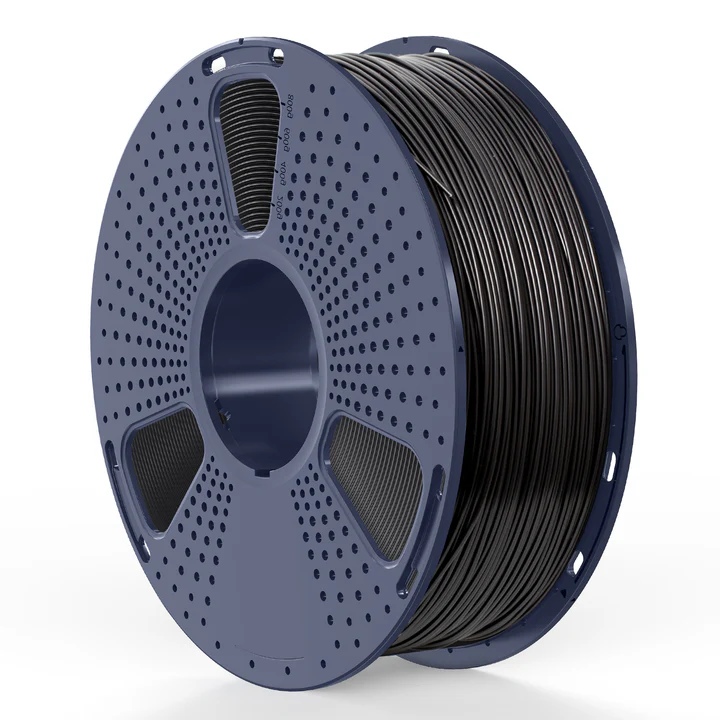
A tough impact-resistant plastic used in housings, fittings, and 3D printing filament.
DIY Secrets
A single alphabetical index of the terms used across the site, from ropes and knots to tapes, adhesives, fixings, materials and safety basics.
A tough impact-resistant plastic used in housings, fittings, and 3D printing filament.
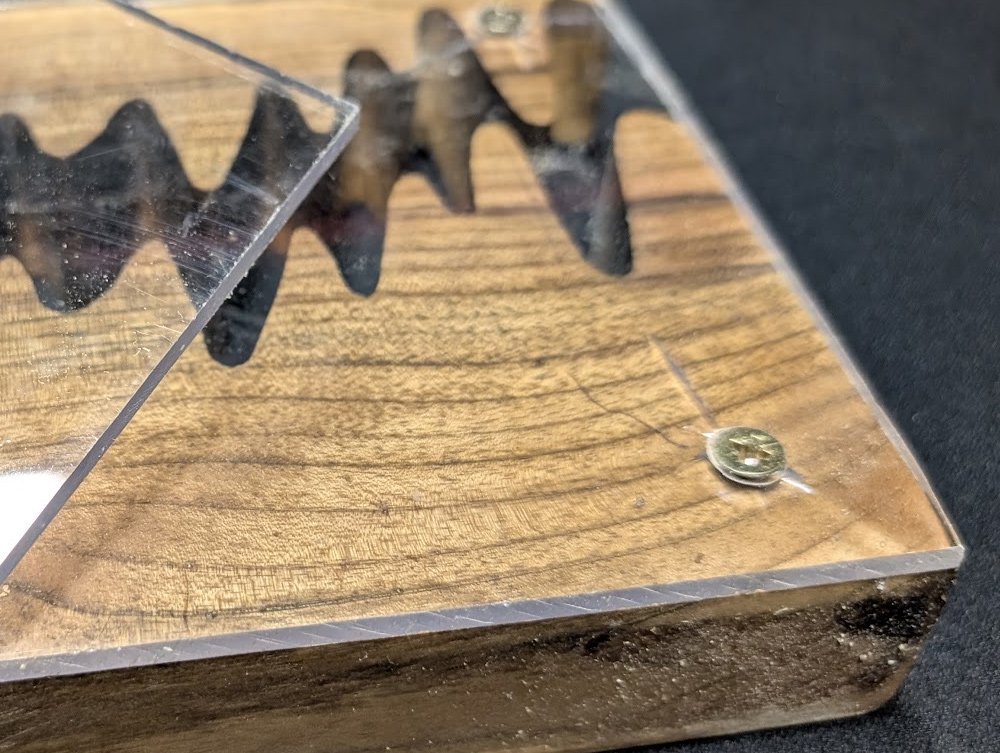
A clear plastic sheet material that can crack if drilled poorly.
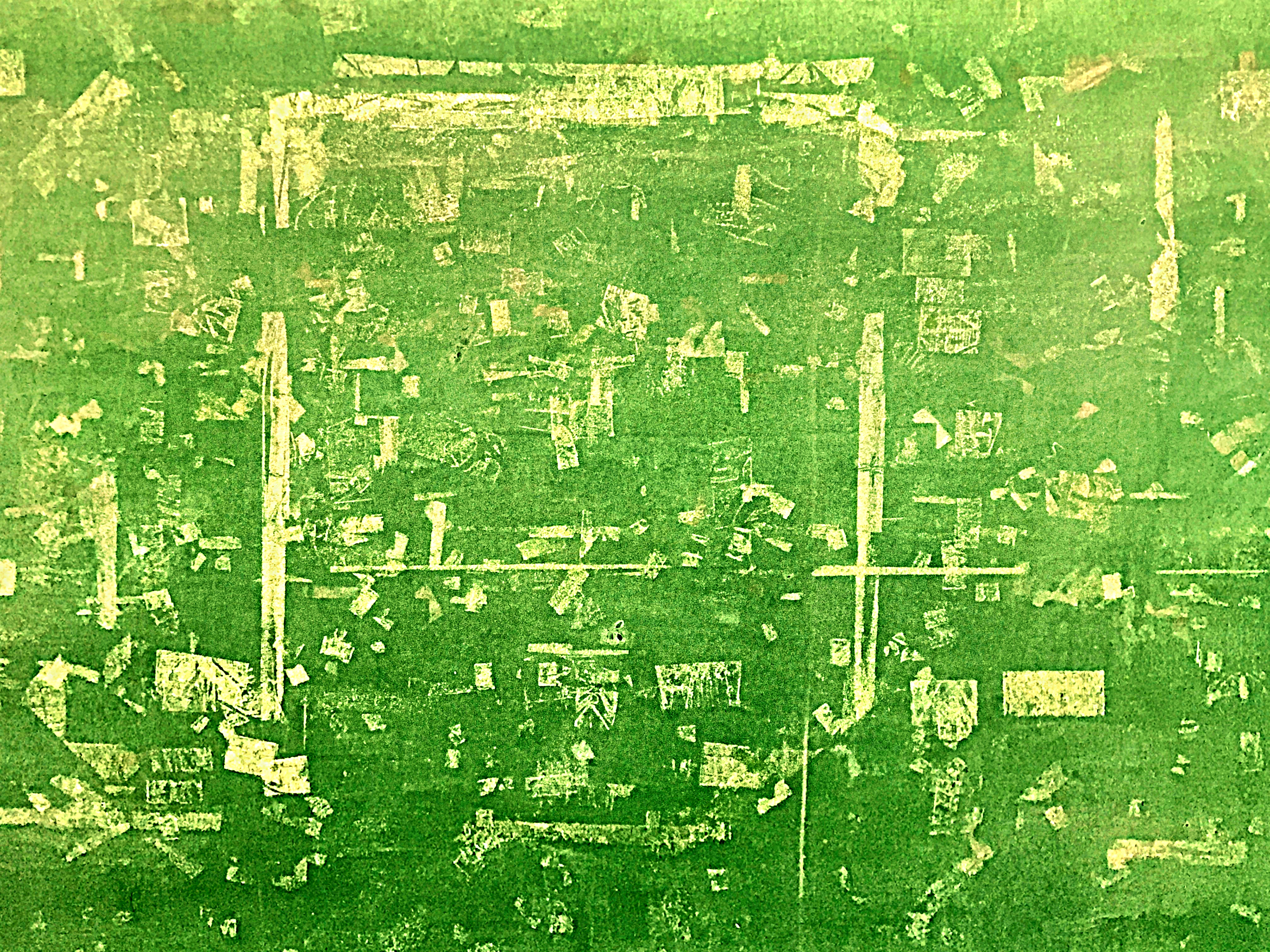
Sticky material left behind after tape is removed.
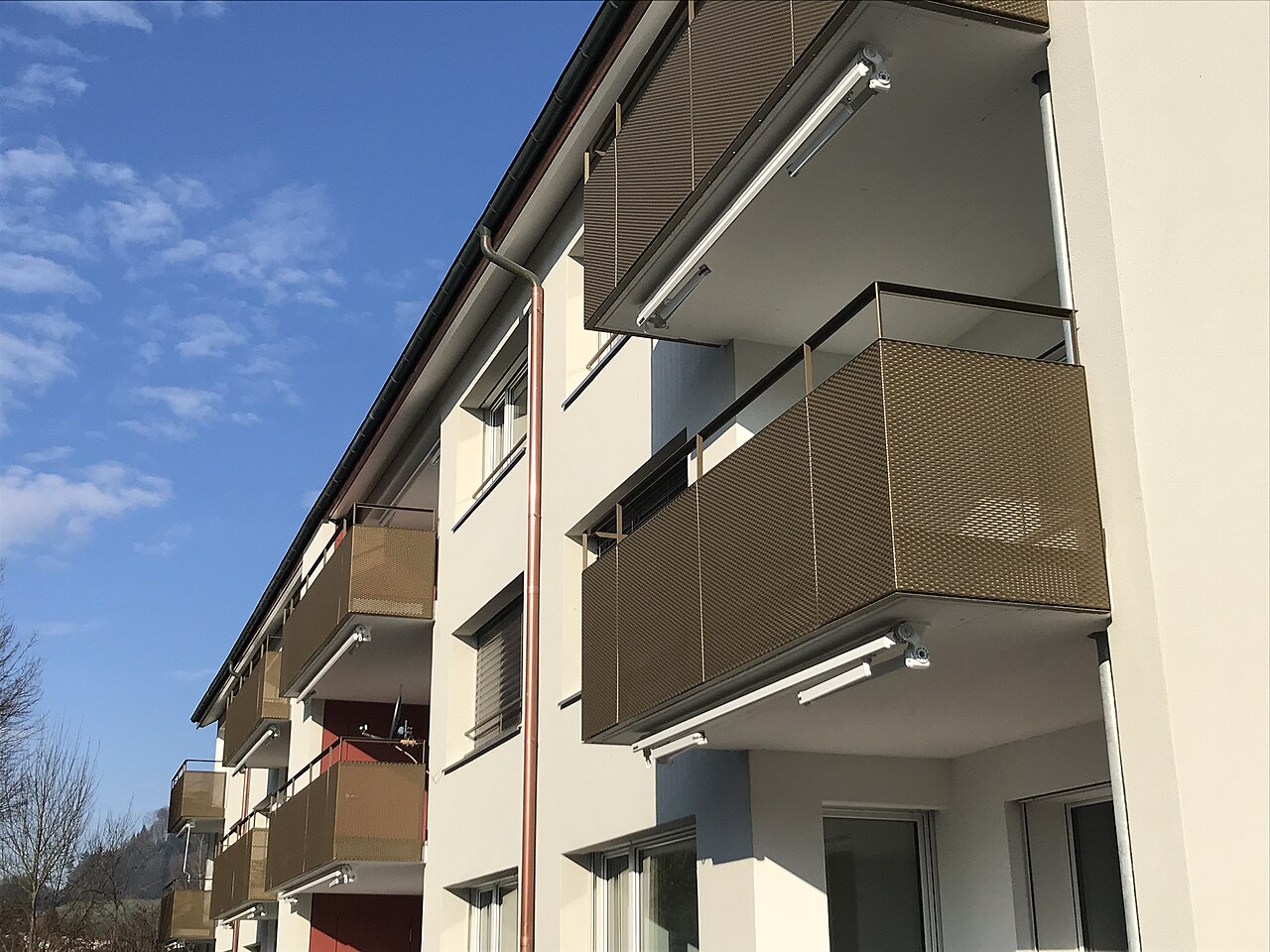
A lightweight metal often used in trim, sheet and small extrusions.
A fixing used to create a hold in a wall, ceiling or hollow surface.
A mixed box of small parts such as screws, plugs, washers or clips.
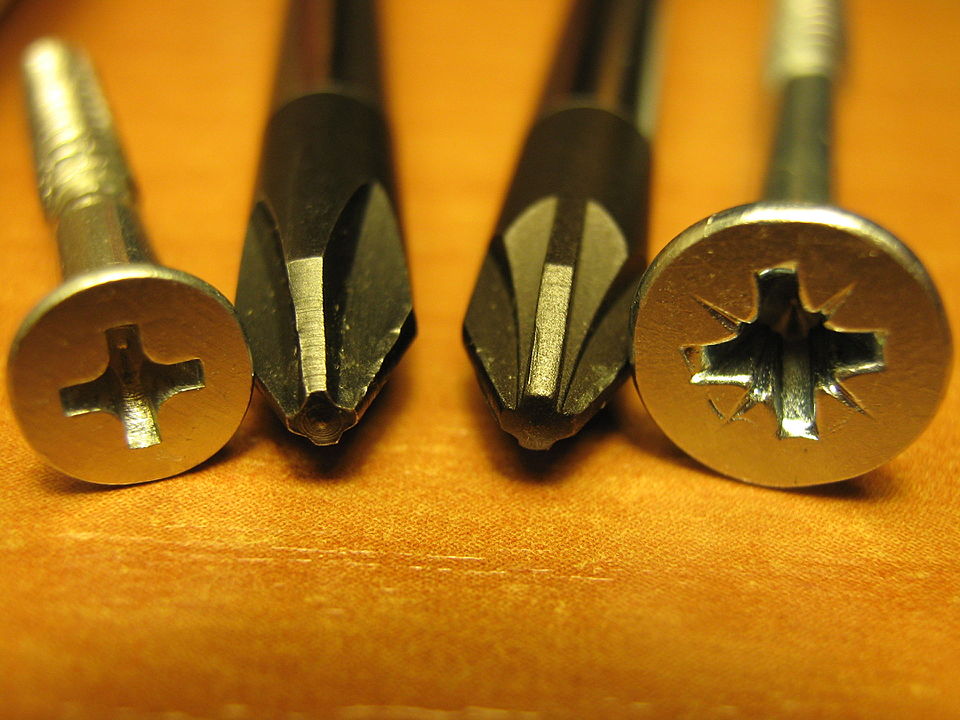
When a driver bit slips out of a screw recess under torque—and why matching Phillips (PH) or Pozidriv (PZ) matters.
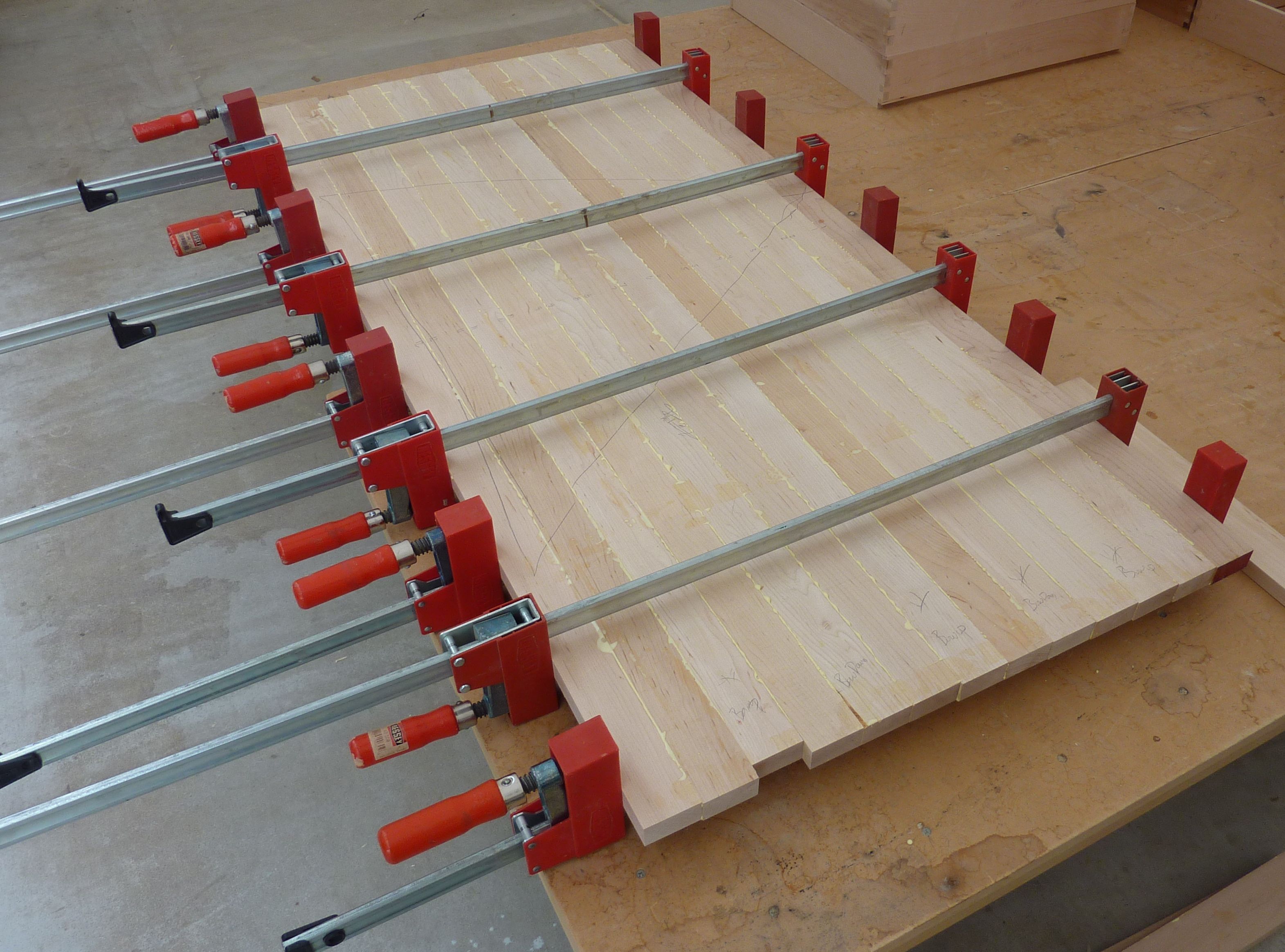
A straight piece used to spread clamping pressure over a wider area.
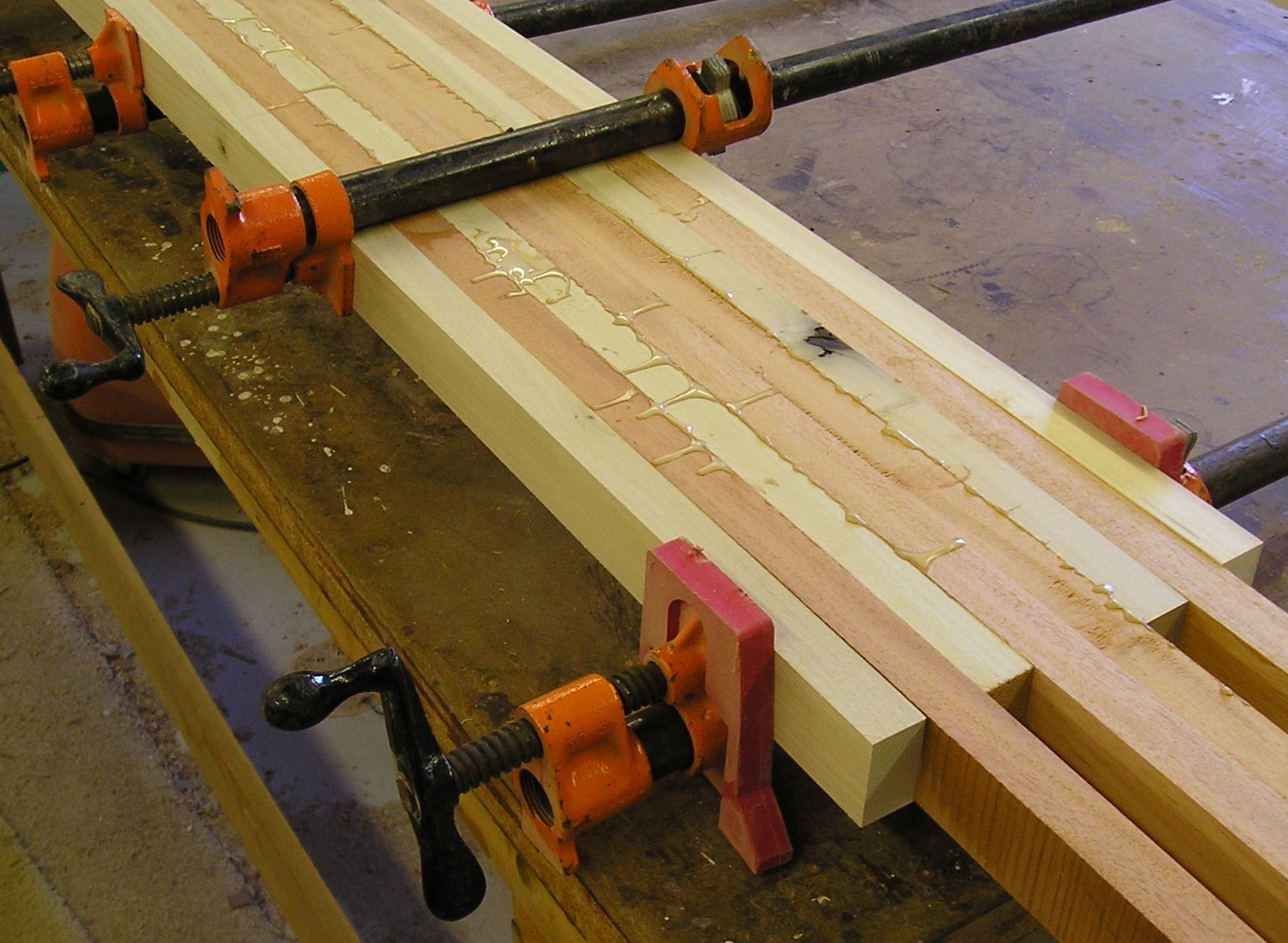
The squeezing force applied by a clamp or improvised hold.
Whether a product suits the material, surface, tool or environment it will be used with.
Items used up during DIY work, such as tape, screws, sandpaper or glue.
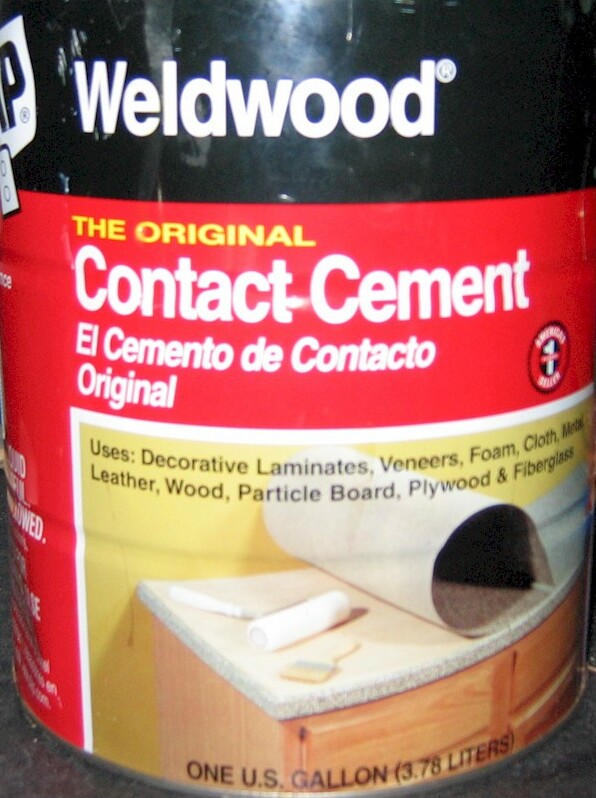
Adhesive applied to both surfaces and joined after it becomes tacky.

Material deterioration caused by reaction with the environment, often seen as rust on steel.
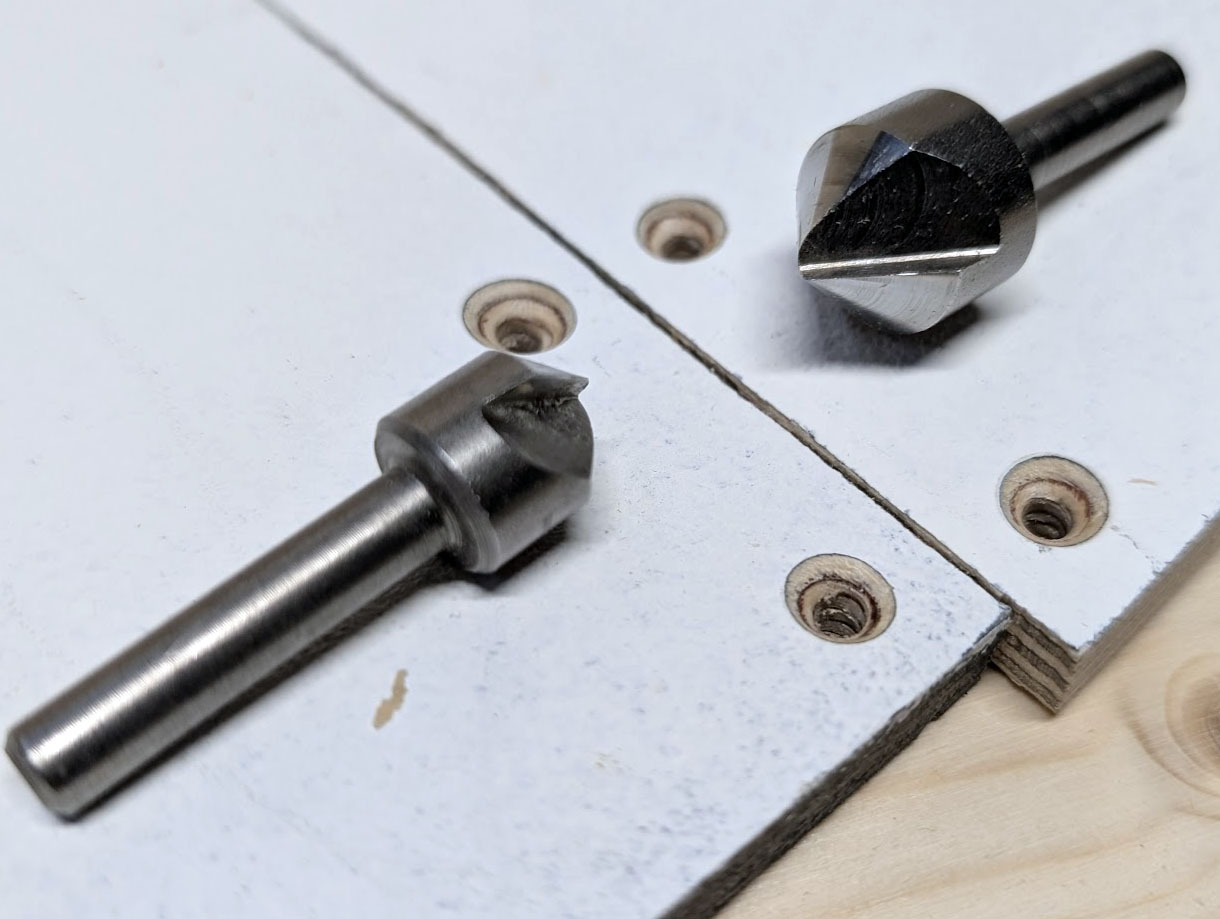
A shaped recess that lets a screw head sit flush or below the surface.
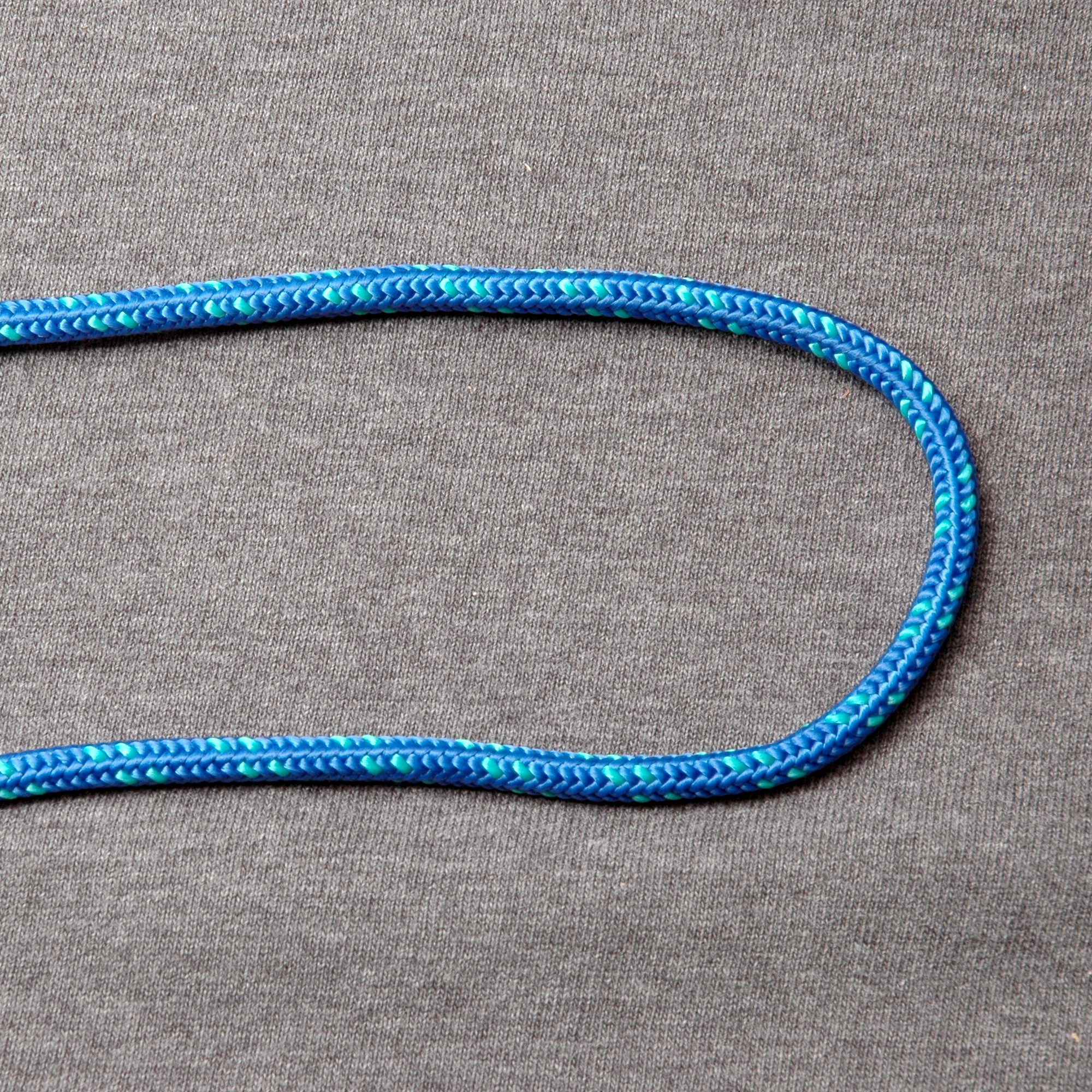
A rope shape made when the rope crosses over itself to form the start of a loop or knot.
The time an adhesive needs to reach its intended working strength.
A moisture-curing adhesive that sets in seconds on close-fitting, non-porous joints—ideal for small, rigid repairs, not gaps, flex, or load-bearing work.
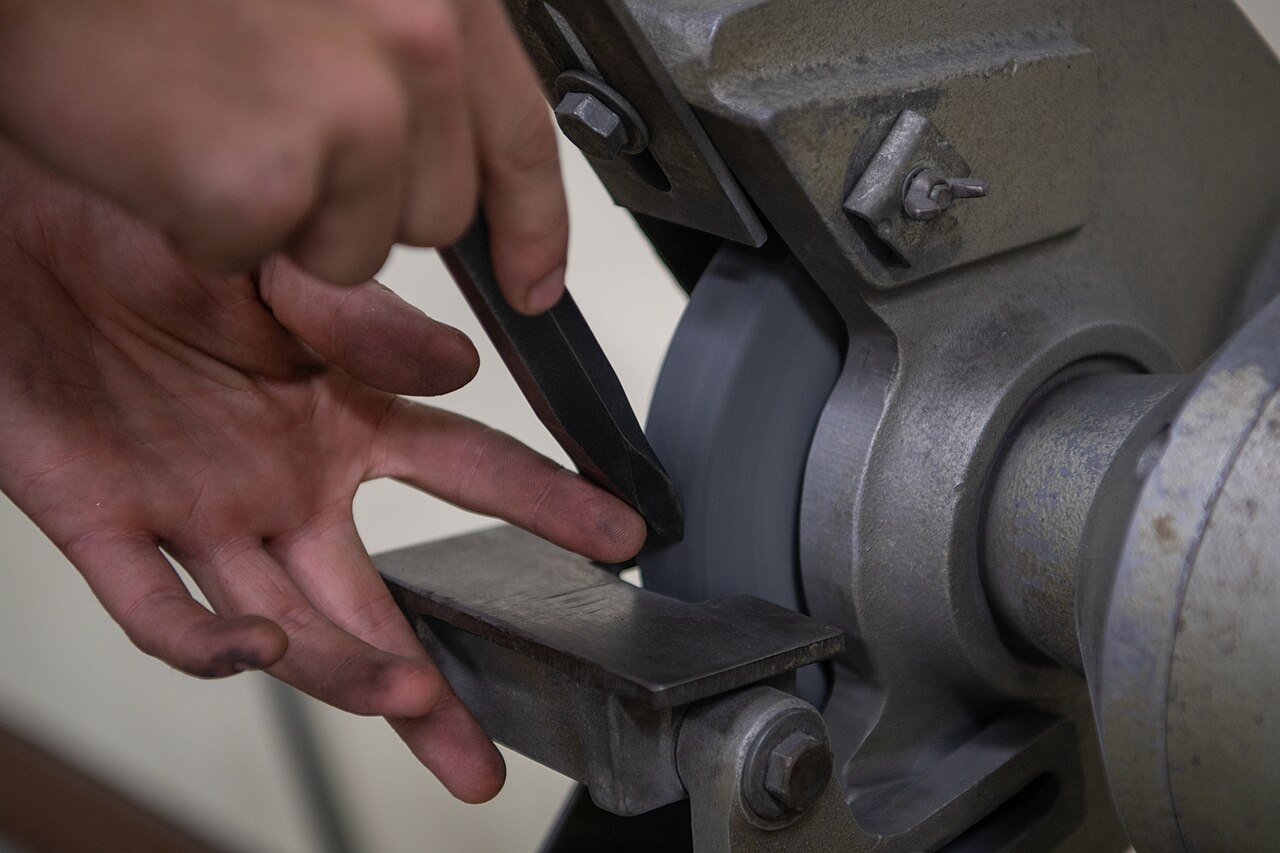
Removing sharp burrs from a cut or drilled edge.
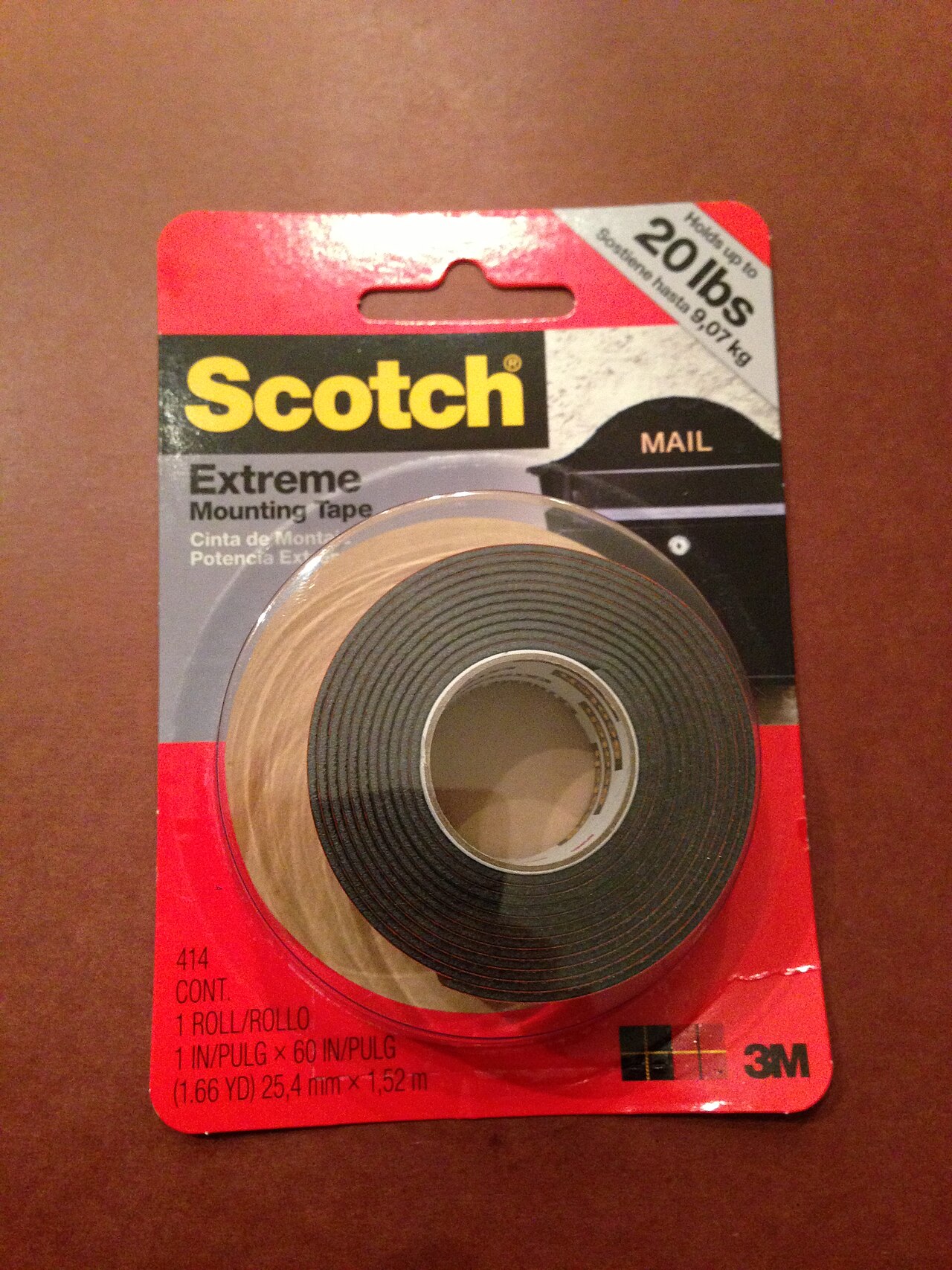
Tape with adhesive on both sides for light positioning or bonding.
Arranging a knot so each part sits neatly in the intended position before the knot is fully tightened.
The time before an adhesive or finish feels dry to the touch.
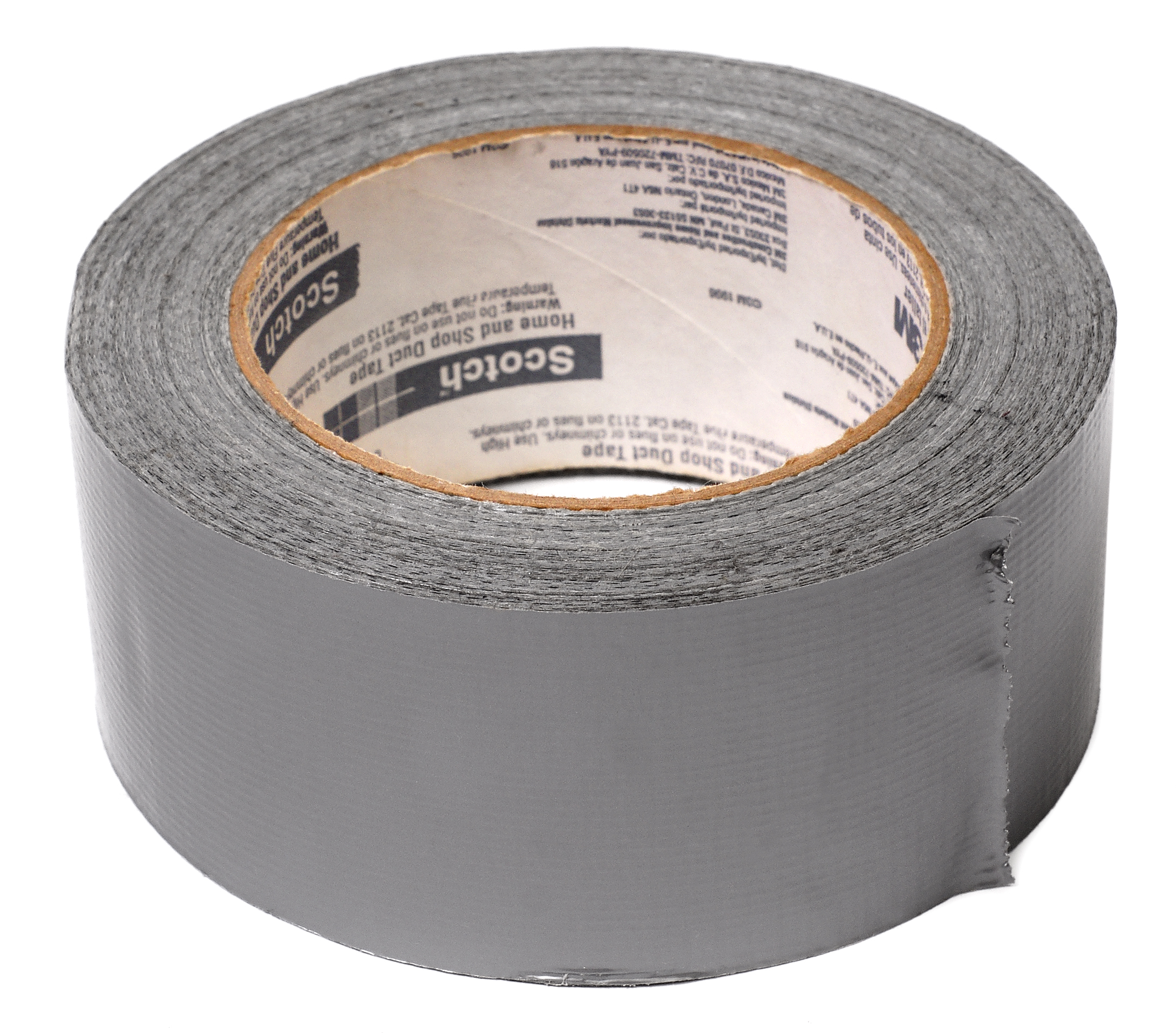
A strong cloth-backed tape used for temporary holding and patching.
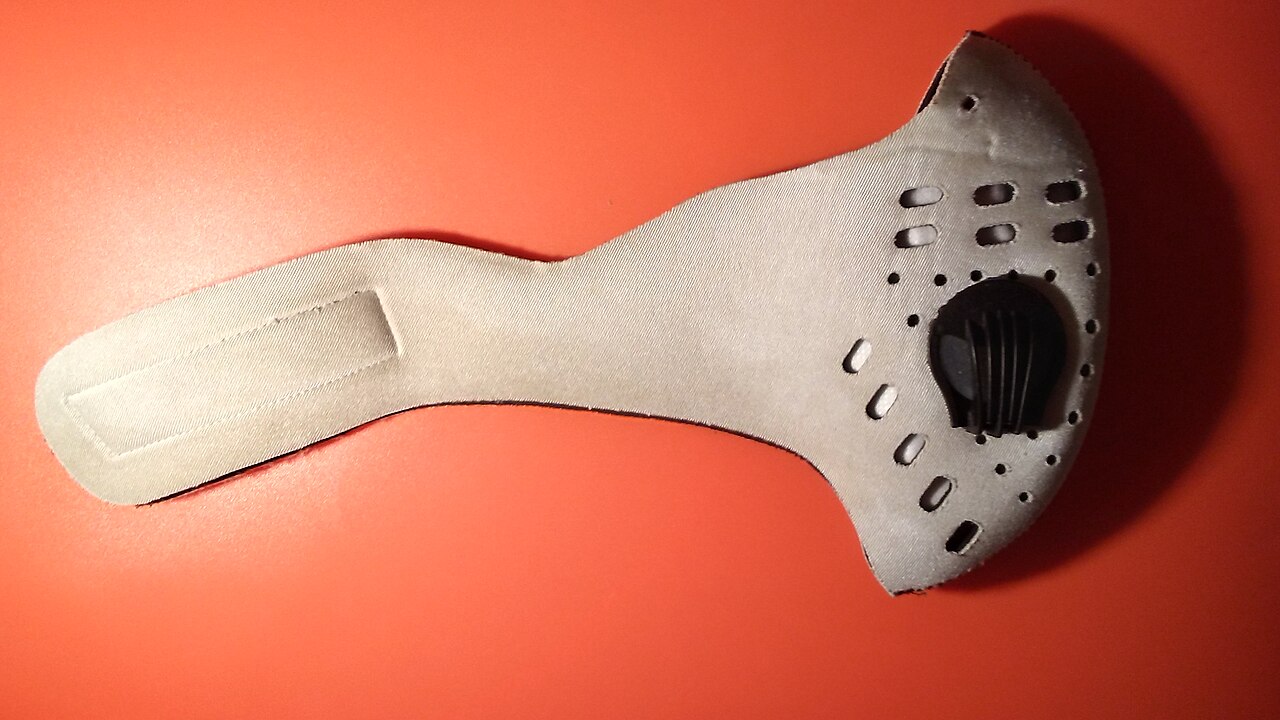
A mask intended to reduce breathing in certain dusts, depending on its rating and fit.

The exposed ends of wood fibres, seen at the cut end of a board.
A two-part adhesive that cures through a chemical reaction.
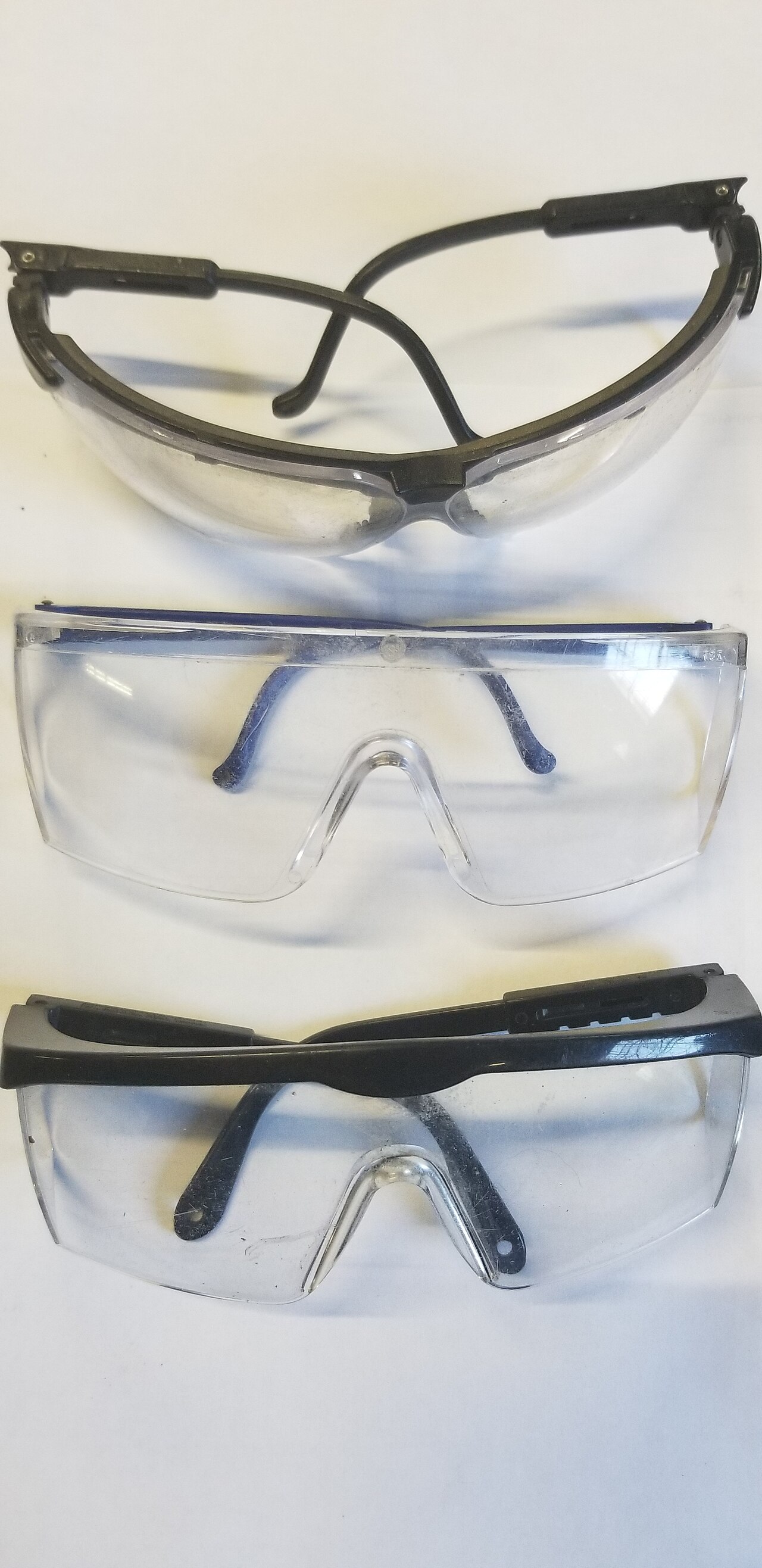
Safety glasses, goggles or face protection used to reduce eye injury risk.
A trimmed cut that sits close to the tie head or surface.
Extra glue pushed out of a joint when the parts are pressed together.
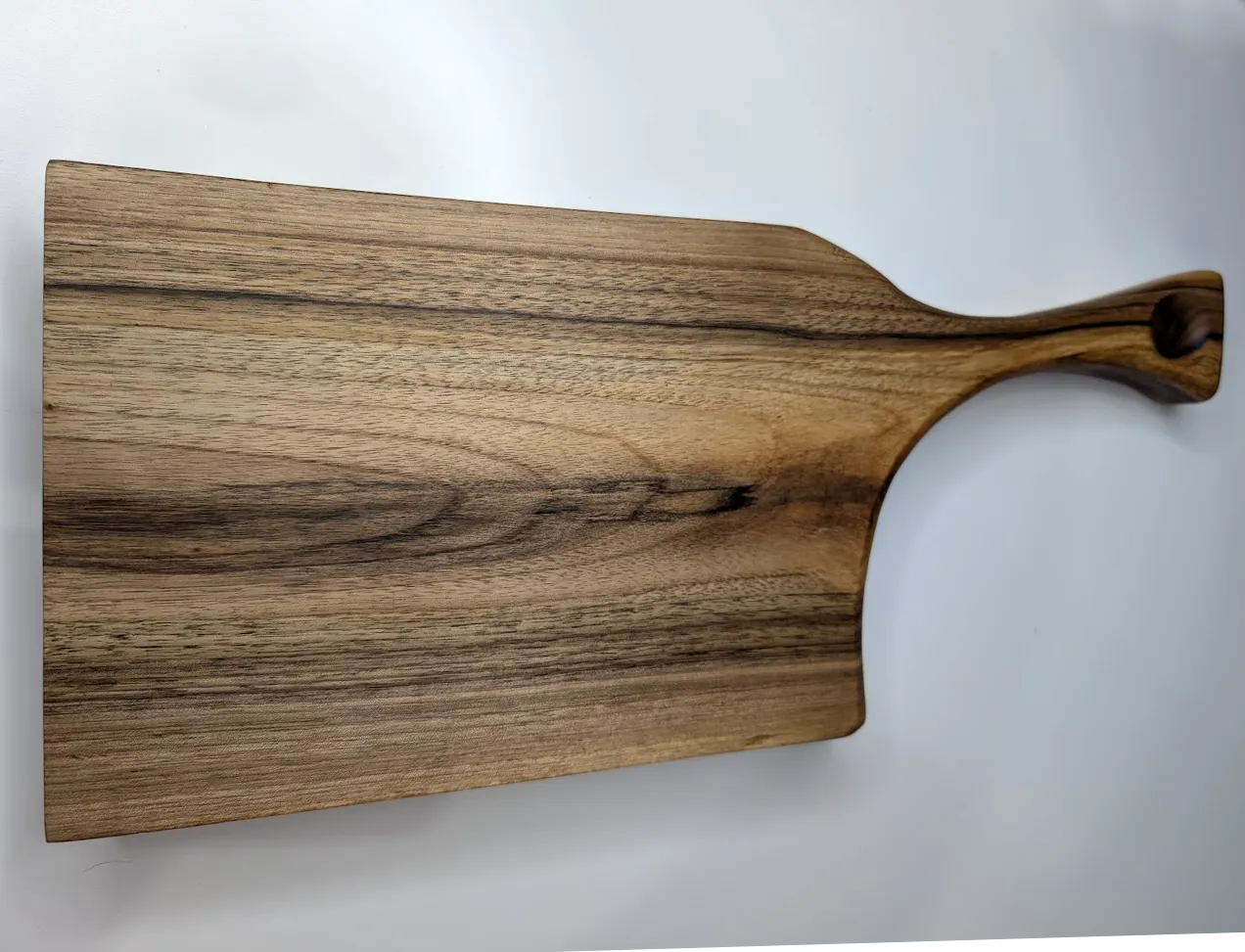
The direction and pattern of fibres in wood.
A simple hitch made by passing the working end around an object or standing part and tucking it under itself.
A knot used to fasten a rope to an object such as a post, rail, ring, cleat or another rope.
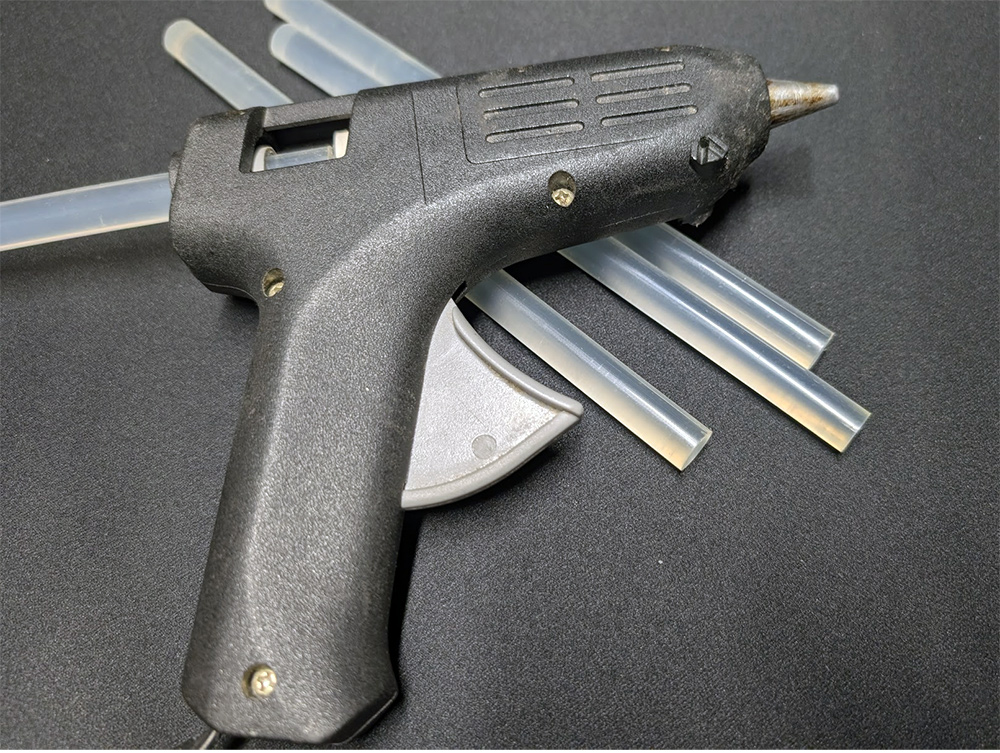
Thermoplastic adhesive melted in a glue gun, applied hot, and set as it cools—fast to use, but stick type, diameter, and temperature must match the job.
Making a system safe by disconnecting or shutting it off before work.
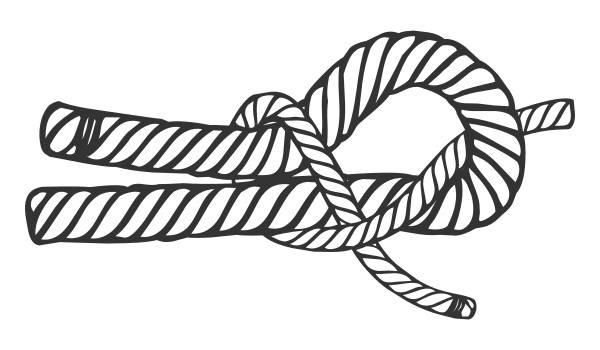
A rope shape where one part crosses another to form an enclosed opening.
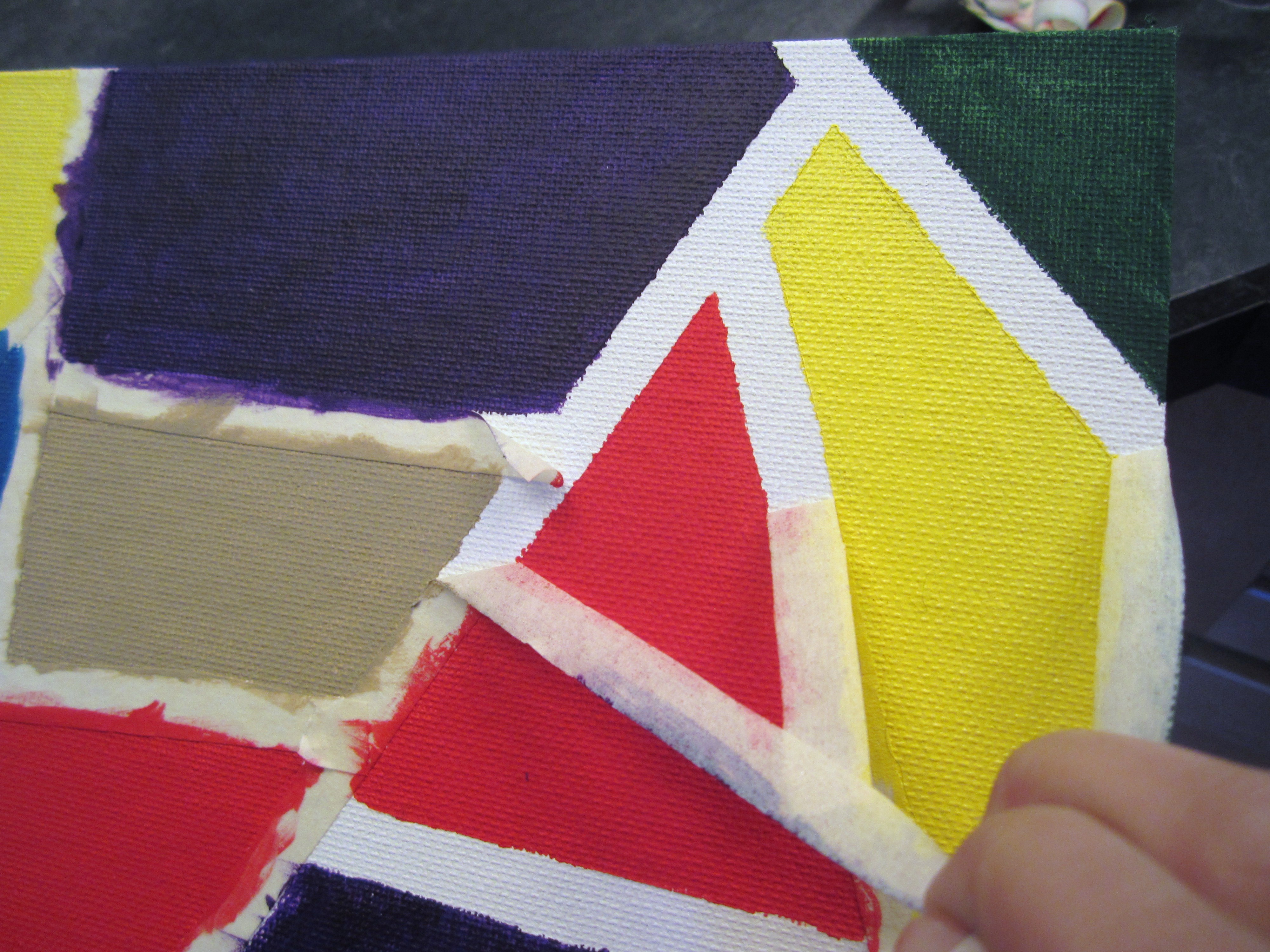
Paper-backed tape used for masking, marking and light temporary holds.
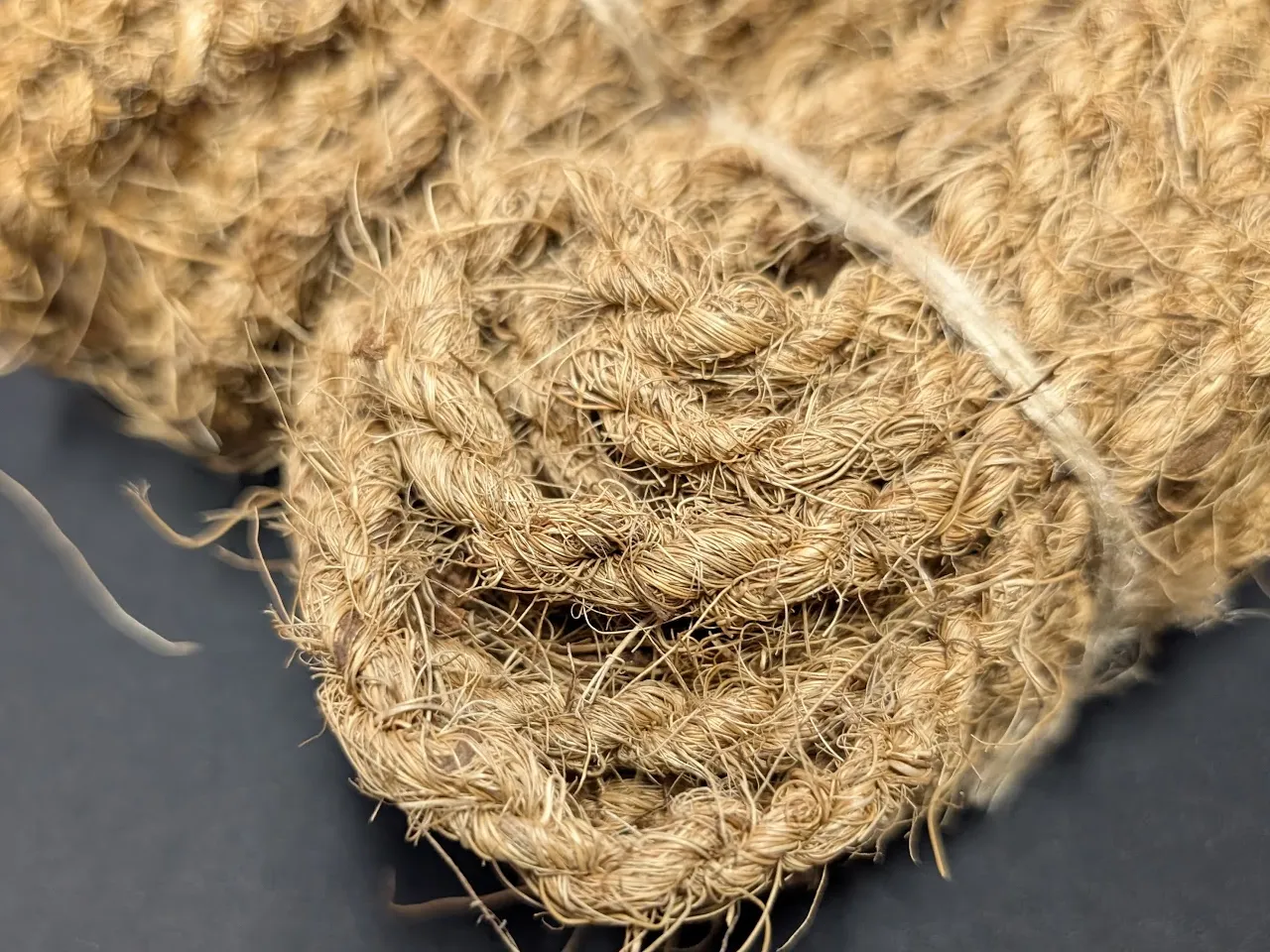
Rope made from plant or animal fibres, often with good grip but limited weather resistance.
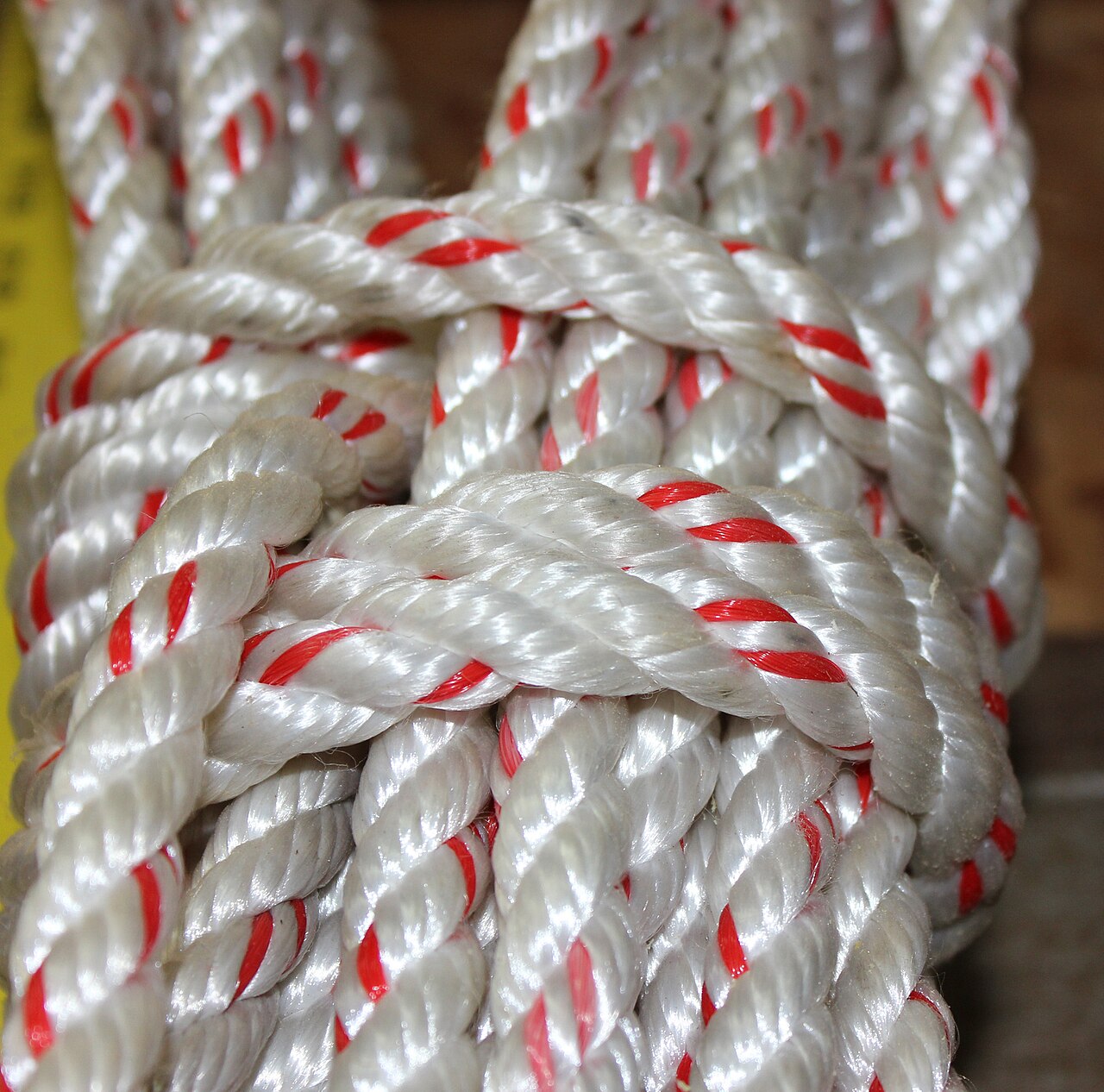
A synthetic rope that can stretch more than some other common rope materials.
The usable time after applying glue before it starts to set too much.
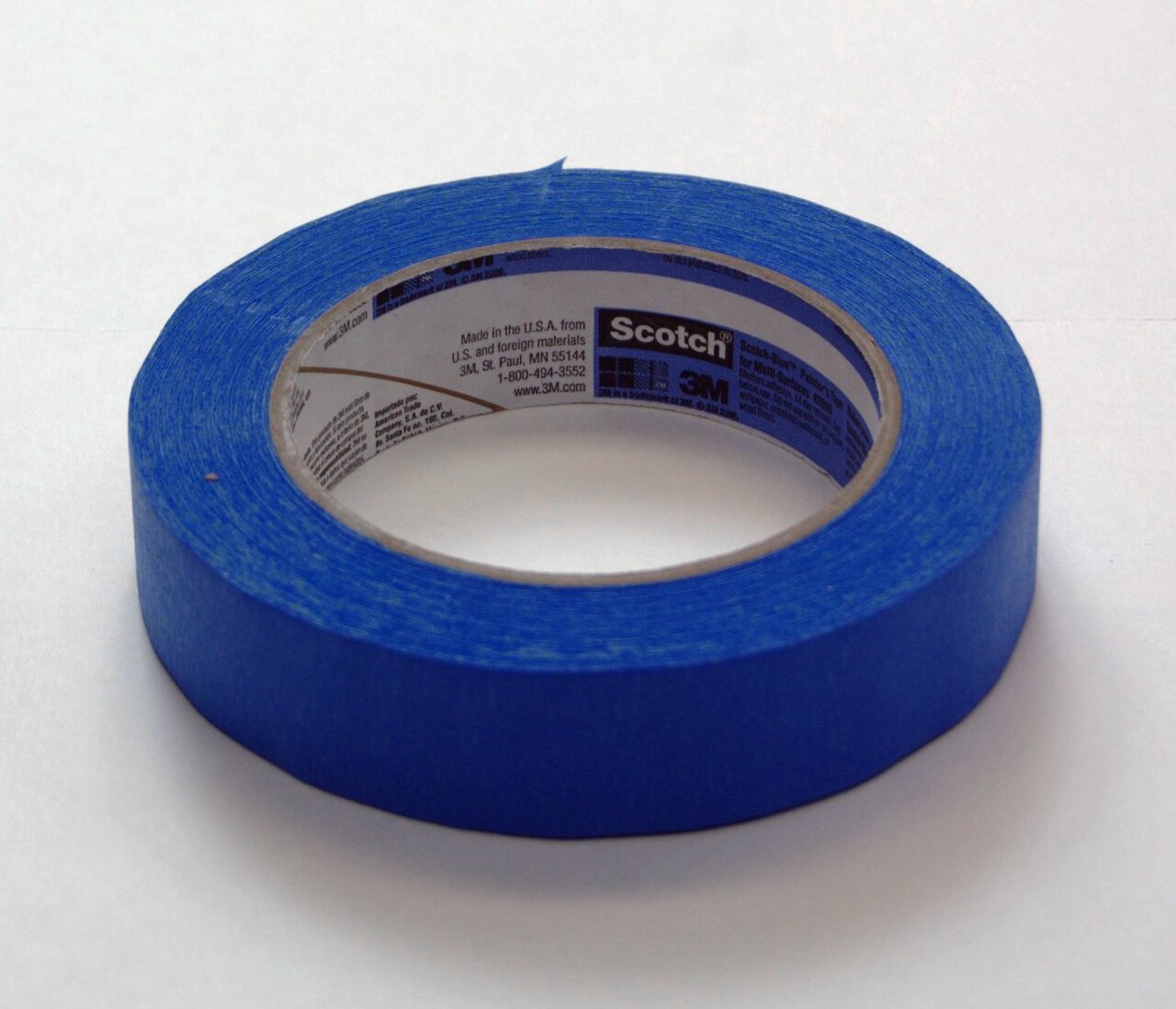
Lower-tack masking tape intended to reduce paint bleed and surface damage.
A small drilled hole that guides a screw and reduces splitting.
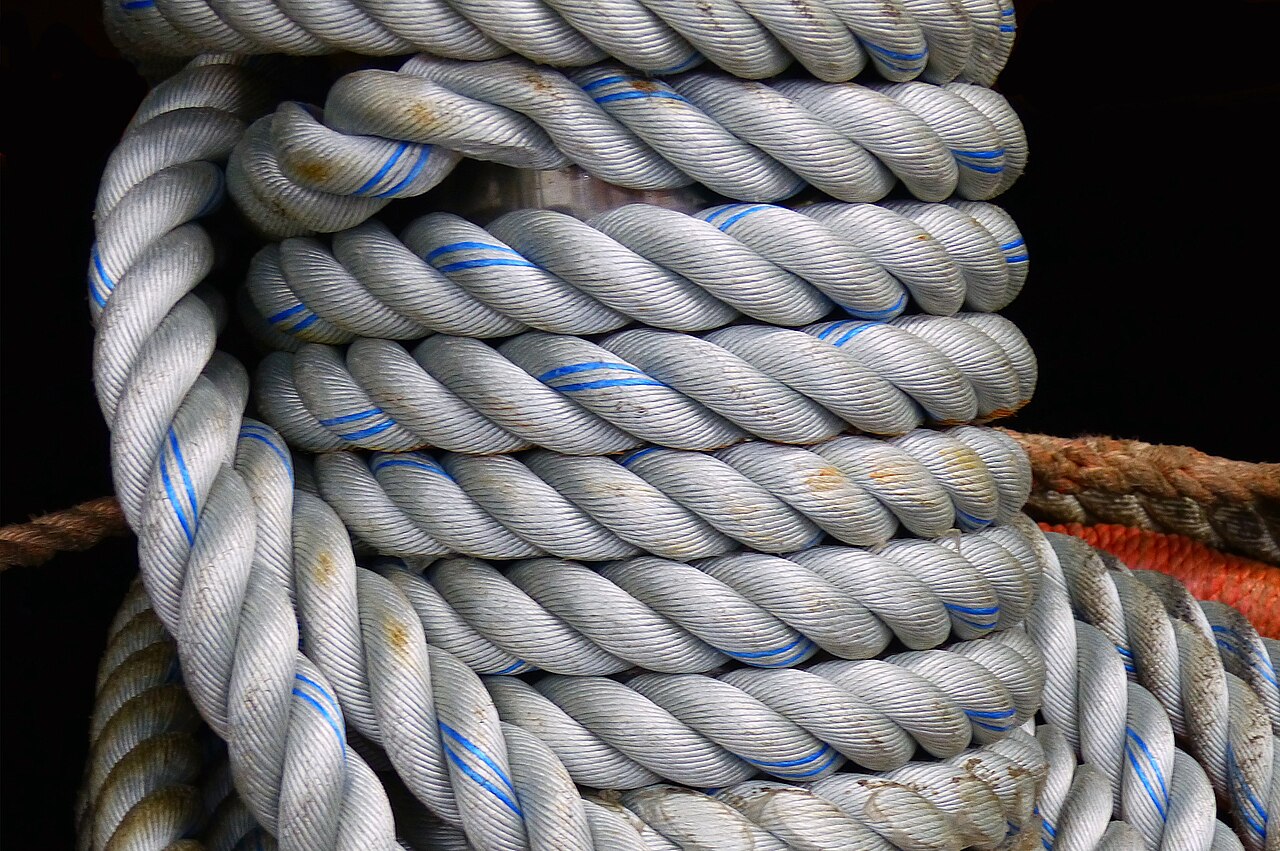
A synthetic rope known for good general durability and weather resistance.
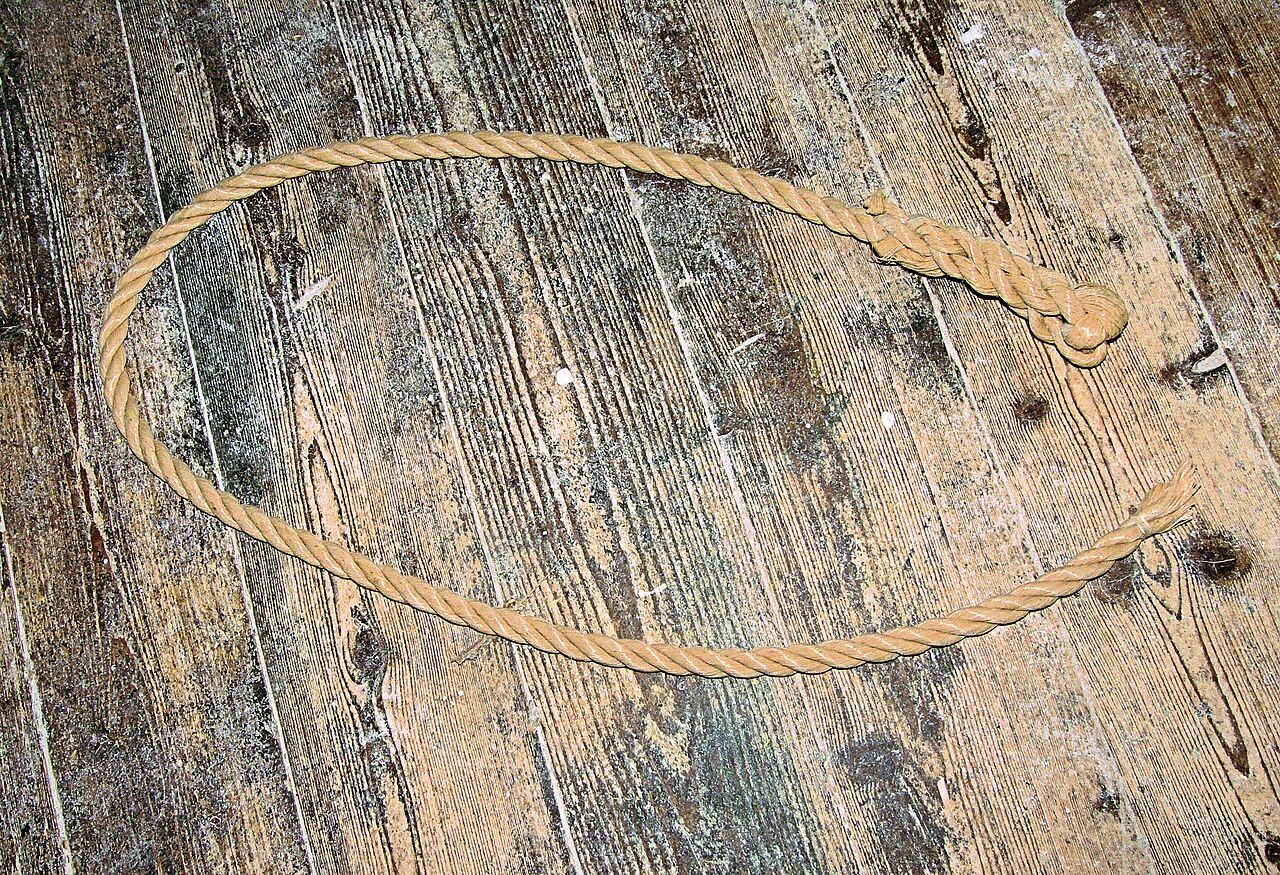
A lightweight synthetic rope often used for general utility tasks.
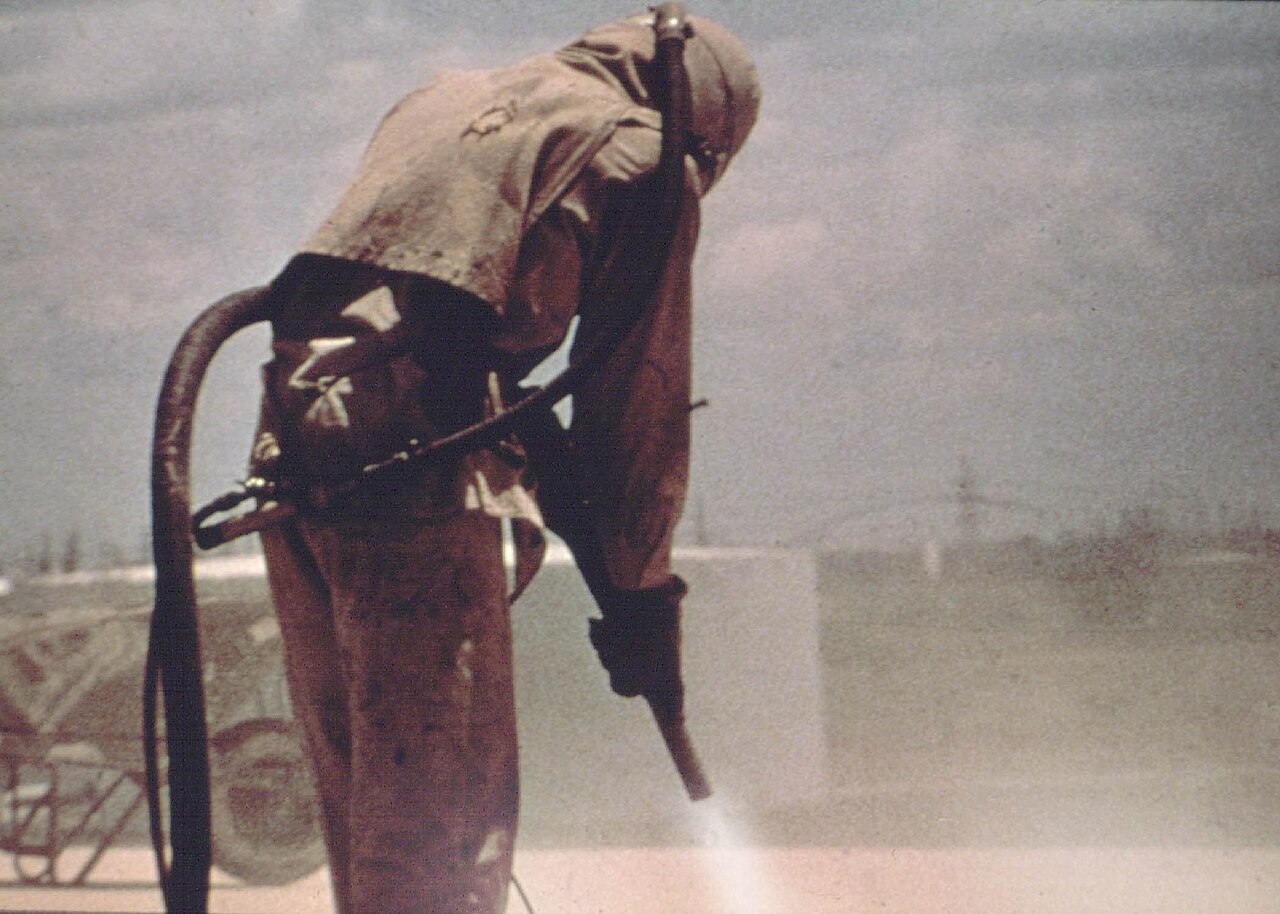
Personal protective equipment such as eye protection, gloves or dust masks.
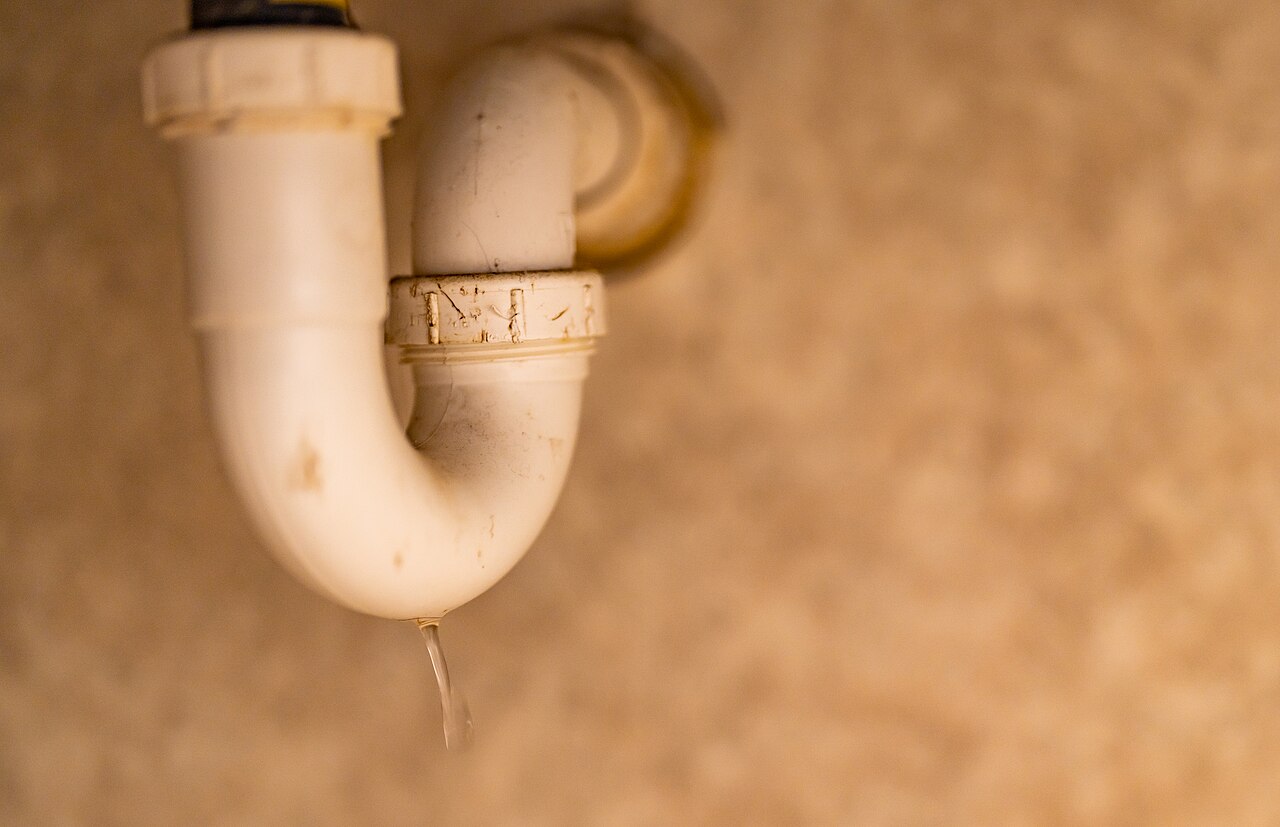
A plastic used in many pipes, trims and flexible or rigid products.
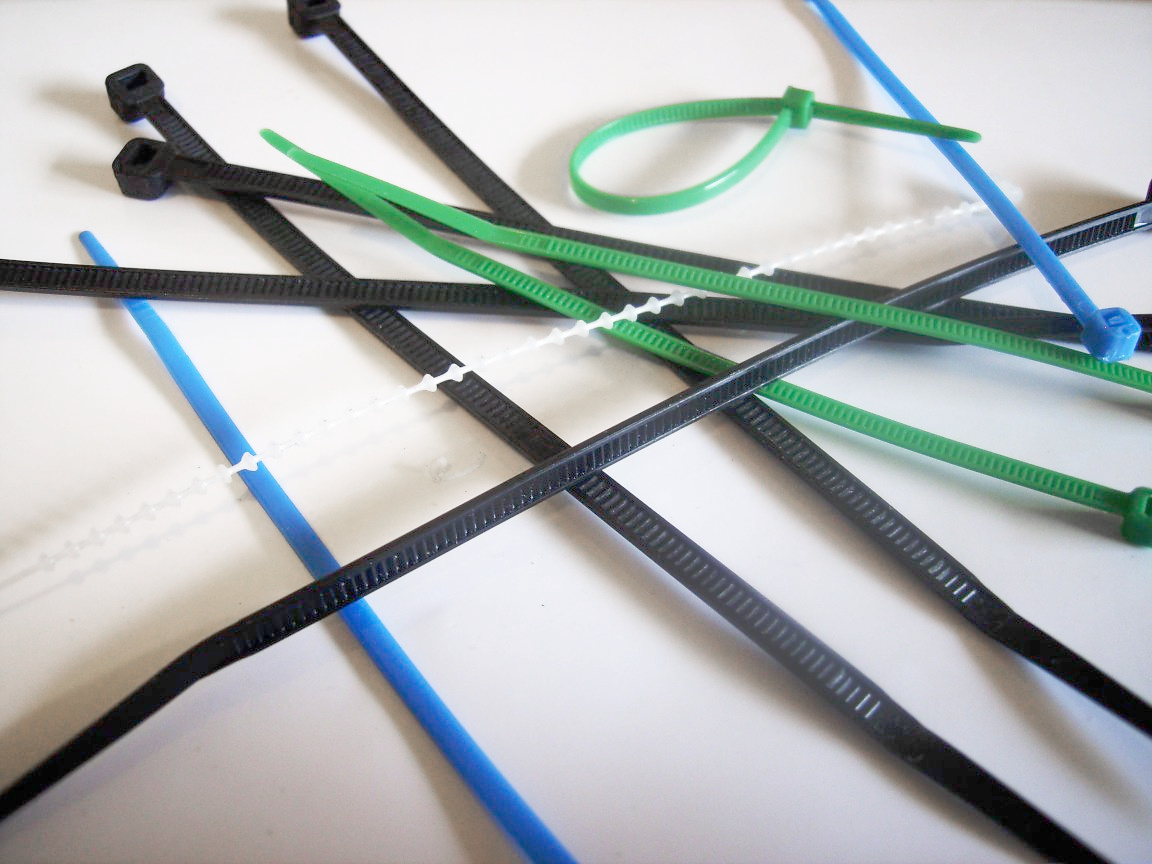
Zip ties with a small release tab so they can be opened and reused.
Thinking through what could go wrong before starting a job.
The thickness of a rope, usually measured across its width.
Two passes of rope around an object, giving more contact than a single turn before the knot is finished.
A task where failure could injure someone or cause serious damage.
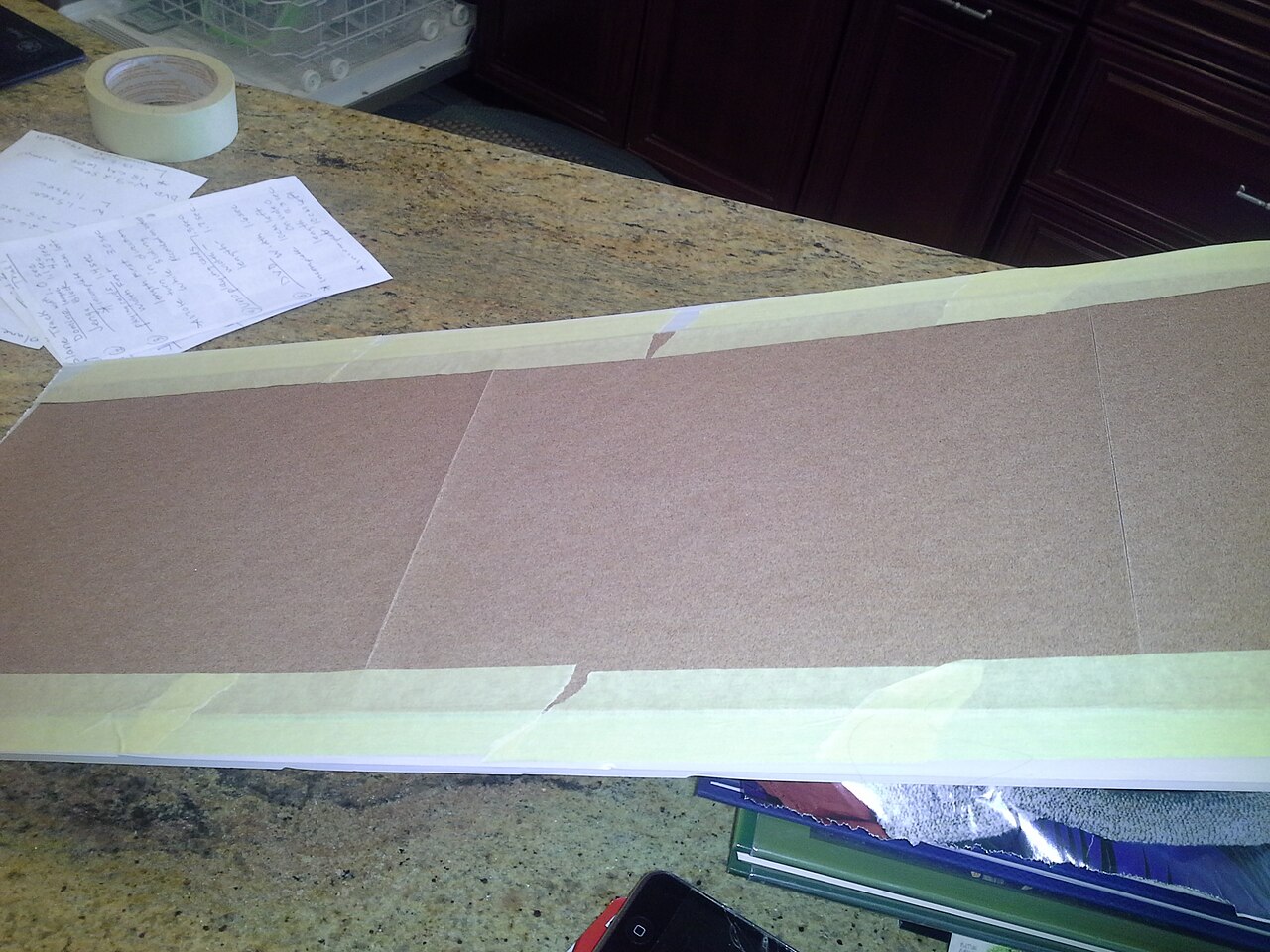
The abrasive size rating that affects how coarse or fine sandpaper is.
A size number that describes screw thickness in some screw systems.
Tightening a dressed knot so the parts bed into place and the knot is ready to inspect and use.
How long a product is expected to remain usable when stored correctly.
The stated details for a product, such as size, material, rating or compatible use.
When wood cracks along the grain, often near edges or ends.
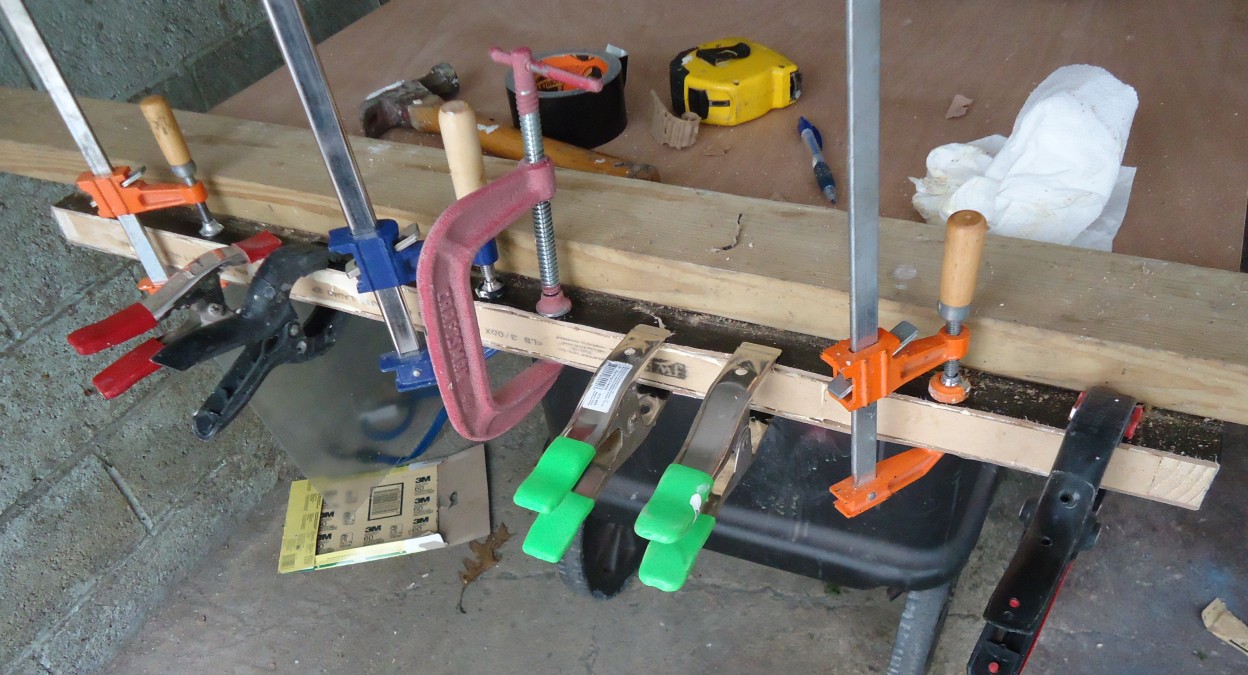
A quick clamp with spring-loaded jaws for light-duty holding.
The longer part of the rope that is not being actively moved while tying.

A strong iron-based metal used in many fixings, brackets and tools.
A knot tied in a rope end to make a bulky stop or help prevent the end passing through an opening.
The base material you are fixing into, such as timber, plasterboard, brick or concrete.
Cleaning or preparing a surface before applying tape, glue, paint or a fixing.
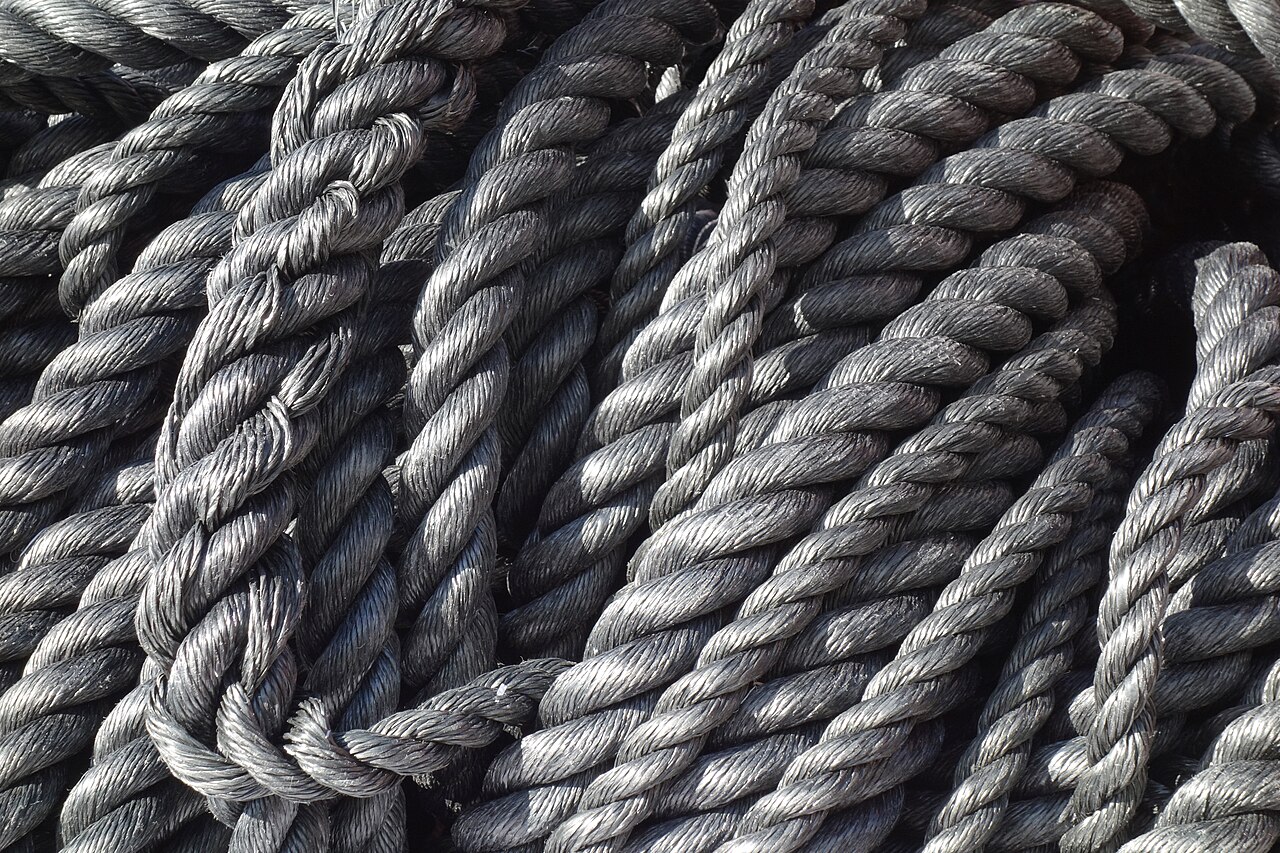
Rope made from manufactured fibres such as polypropylene, polyester or nylon.
The initial stickiness of an adhesive surface.
The pulling force a tie or material is rated to resist before failing.
The spiral ridge on a screw that bites into material or a matching insert.
A larger pack size often aimed at frequent users or tradespeople.
Anything on the floor or route that could cause someone to trip.
A wrap of rope around an object, another rope part, or itself while forming a knot.
Zip ties made with materials intended to last better in sunlight.
A protective clear or tinted finish that forms a film on wood.
Fresh-air movement that helps reduce fumes, vapour or dust build-up.
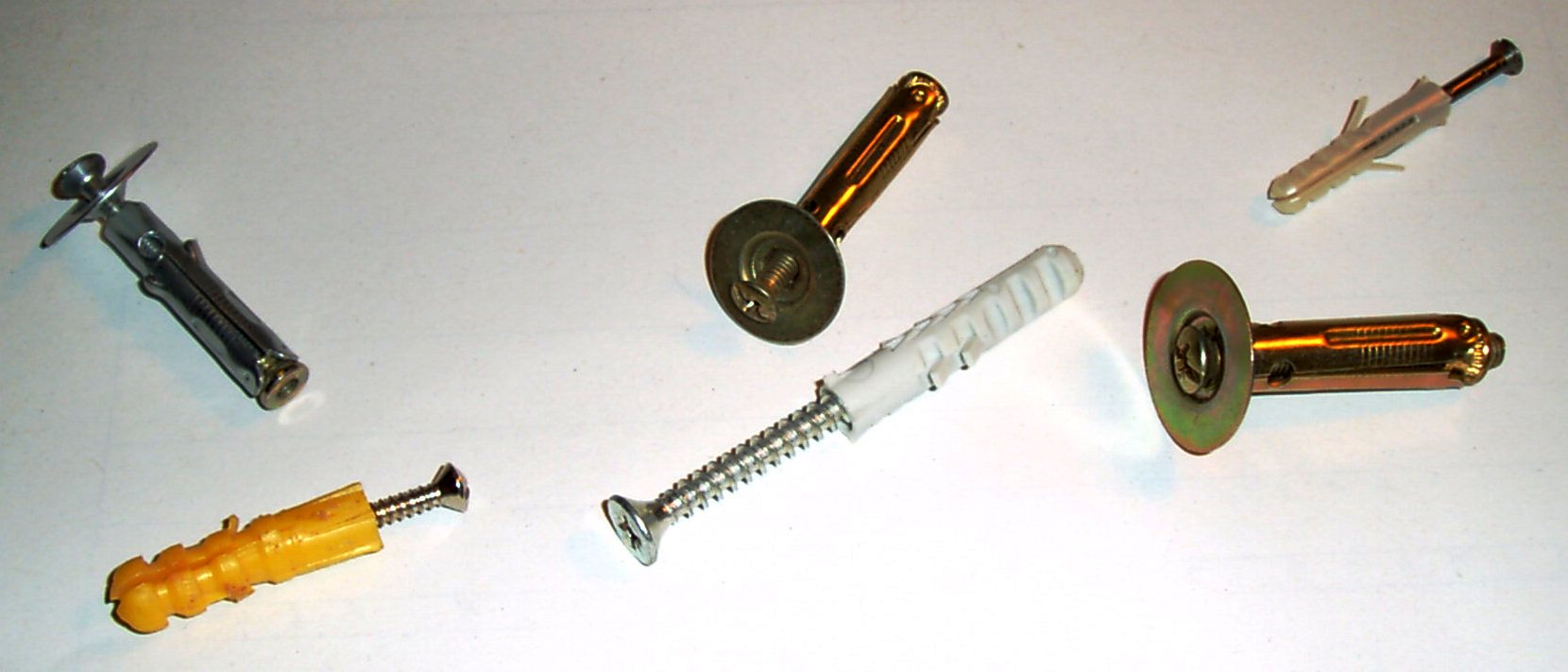
An insert that helps a screw grip in a drilled wall hole.
The way wood expands and contracts with changes in moisture.
The way a workpiece is restrained so it stays stable while you work.
The end of the rope you actively move while tying a knot.
A rated load figure provided for a specific product and use case, not something to guess.