
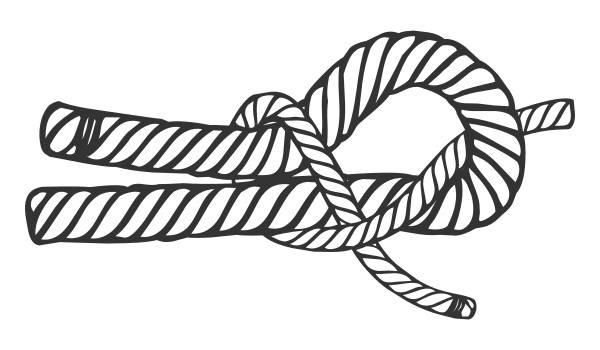
Bend
A knot used to join two rope ends, such as a sheet bend for general utility work.
Ropes and Knots
Quick definitions for the rope terms used across the knot and guide pages. These entries are deliberately short so they are easy to check while following instructions.
A knot used to join two rope ends, such as a sheet bend for general utility work.
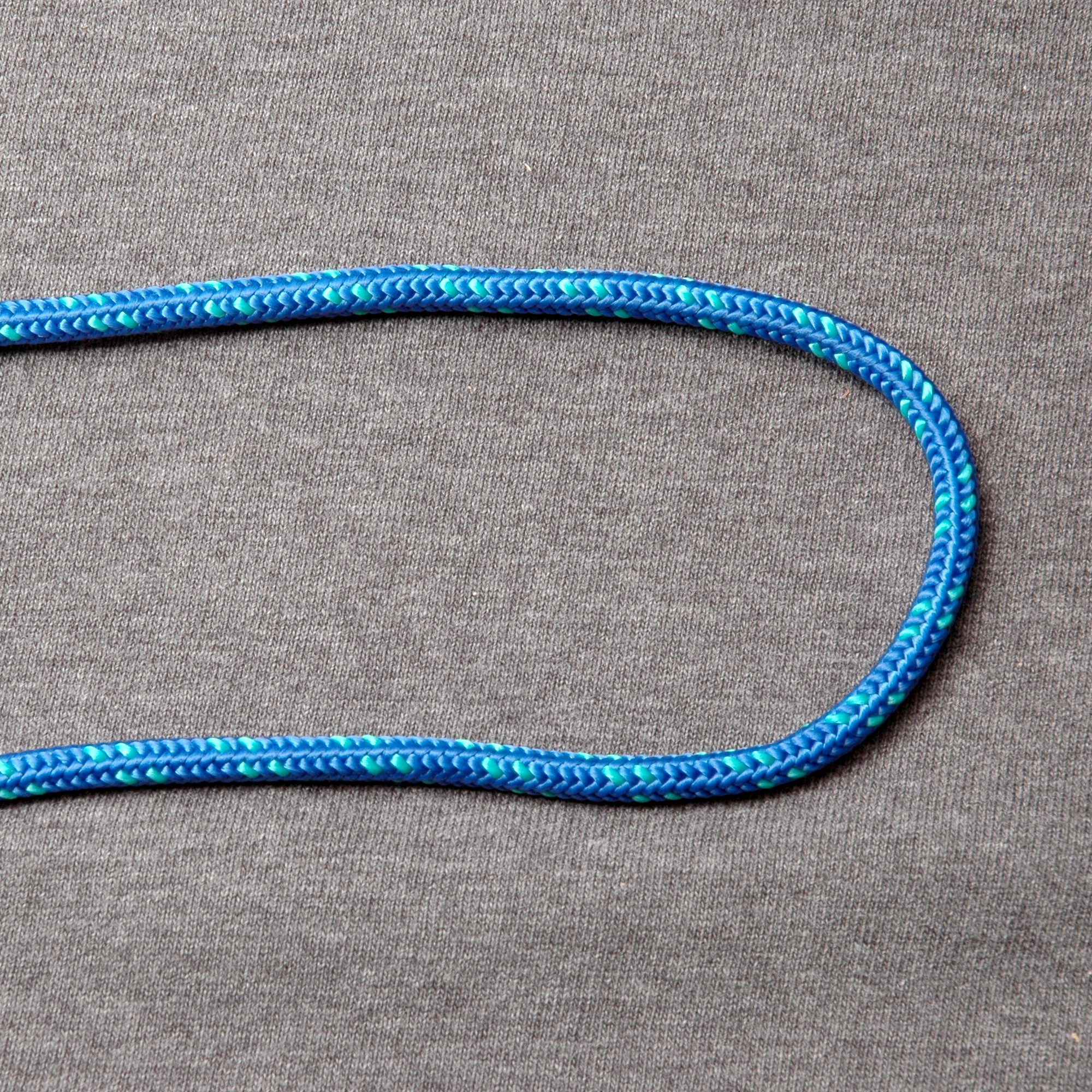
A U-shaped bend in a rope where the parts do not cross.
A rope shape made when the rope crosses over itself to form the start of a loop or knot.
Arranging a knot so each part sits neatly in the intended position before the knot is fully tightened.
A simple hitch made by passing the working end around an object or standing part and tucking it under itself.
A knot used to fasten a rope to an object such as a post, rail, ring, cleat or another rope.
A rope shape where one part crosses another to form an enclosed opening.
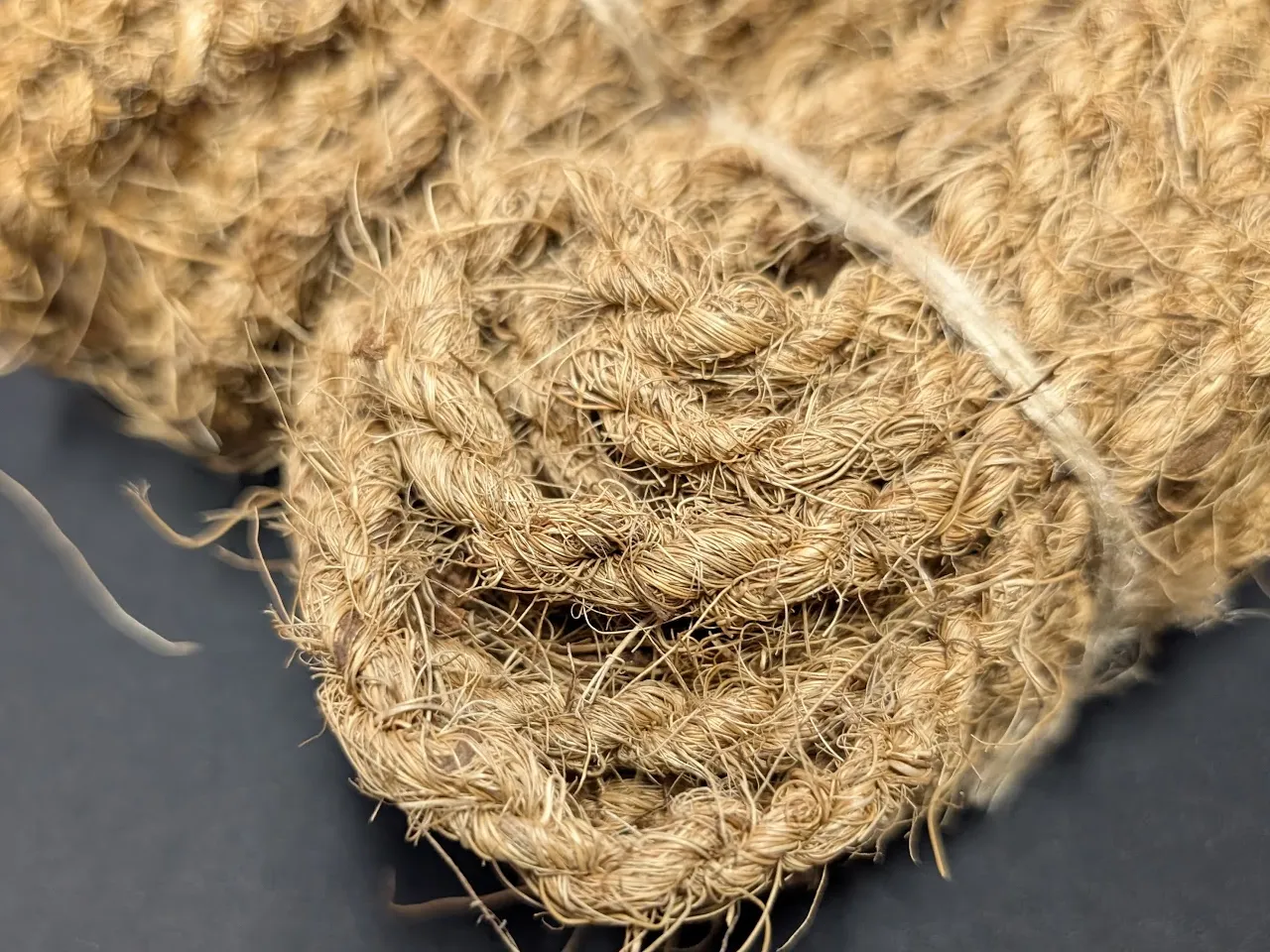
Rope made from plant or animal fibres, often with good grip but limited weather resistance.
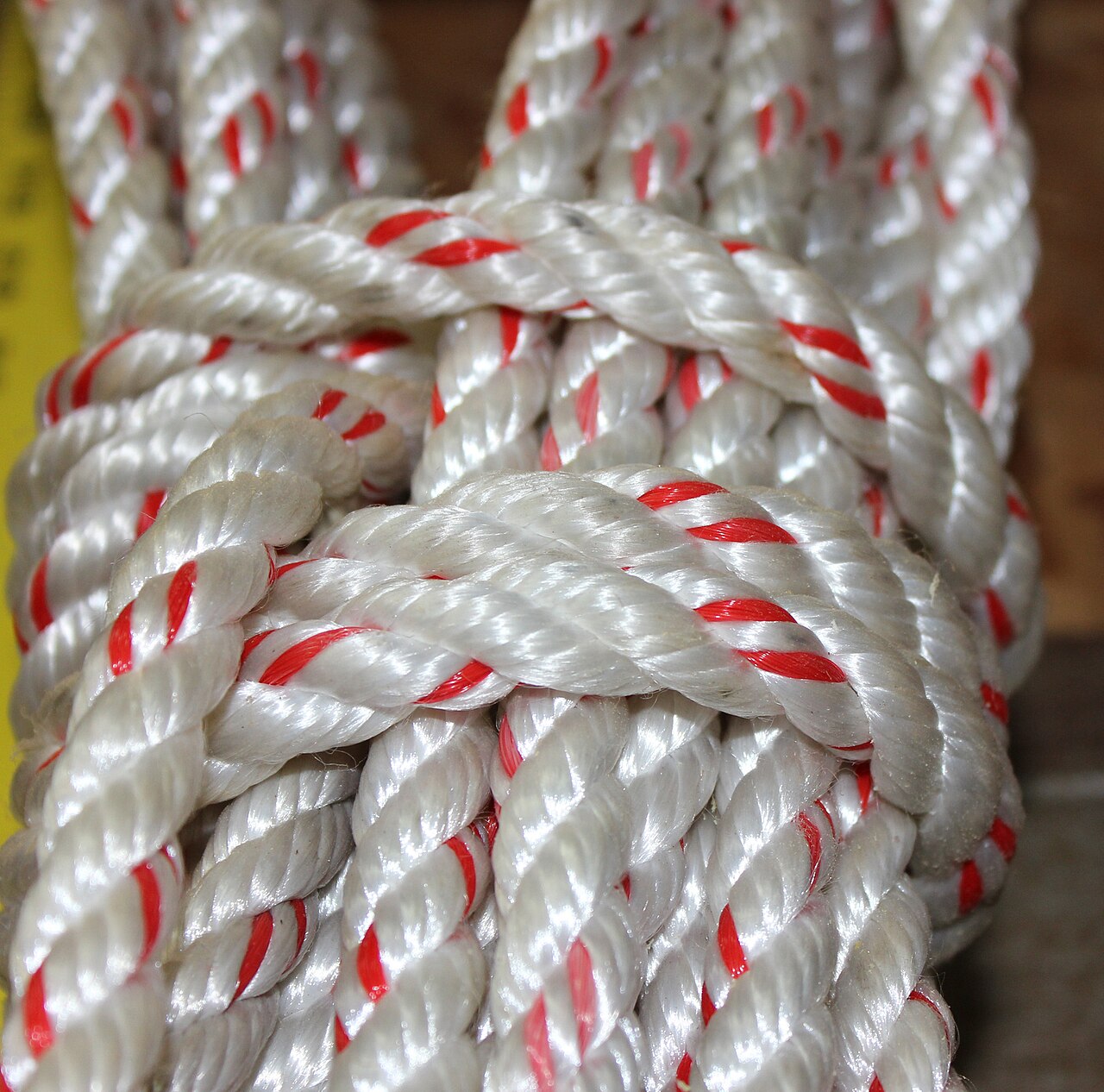
A synthetic rope that can stretch more than some other common rope materials.
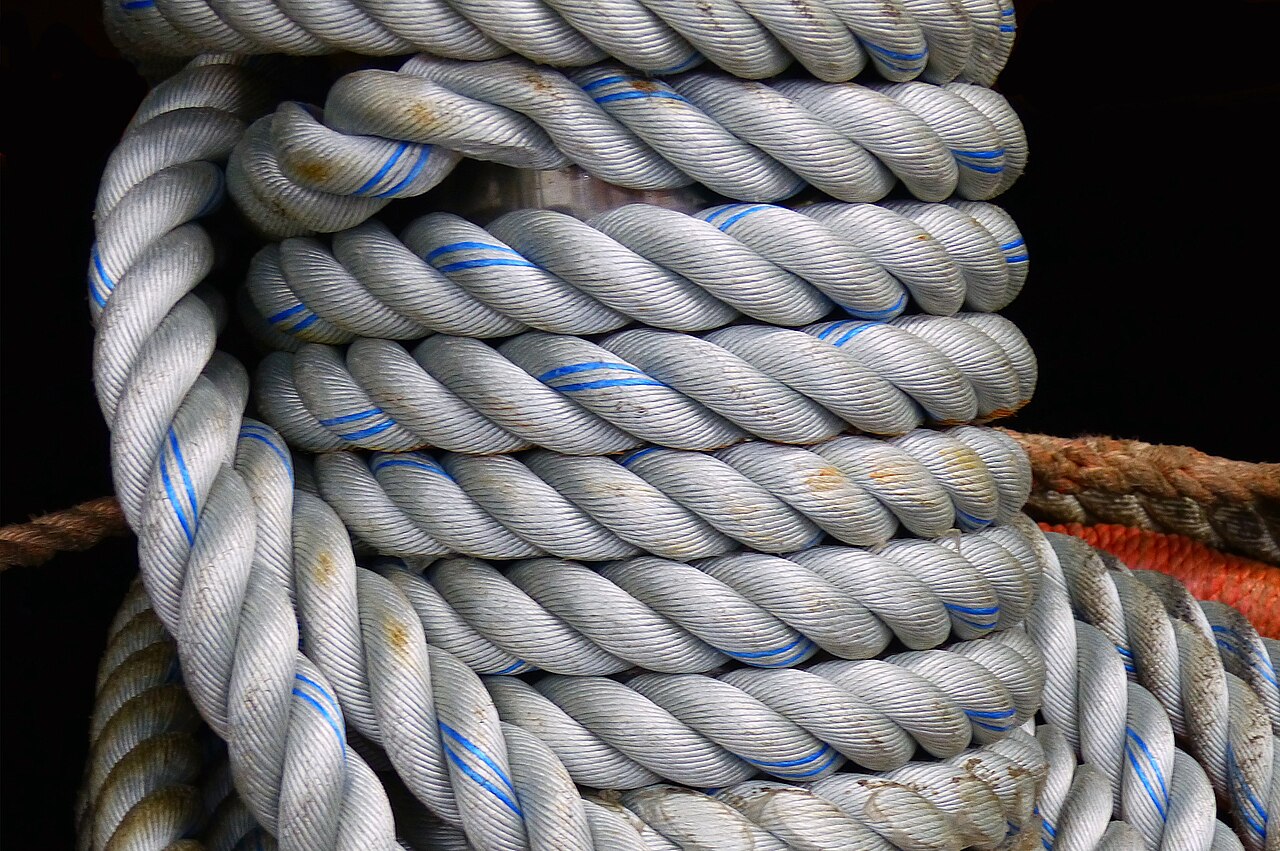
A synthetic rope known for good general durability and weather resistance.
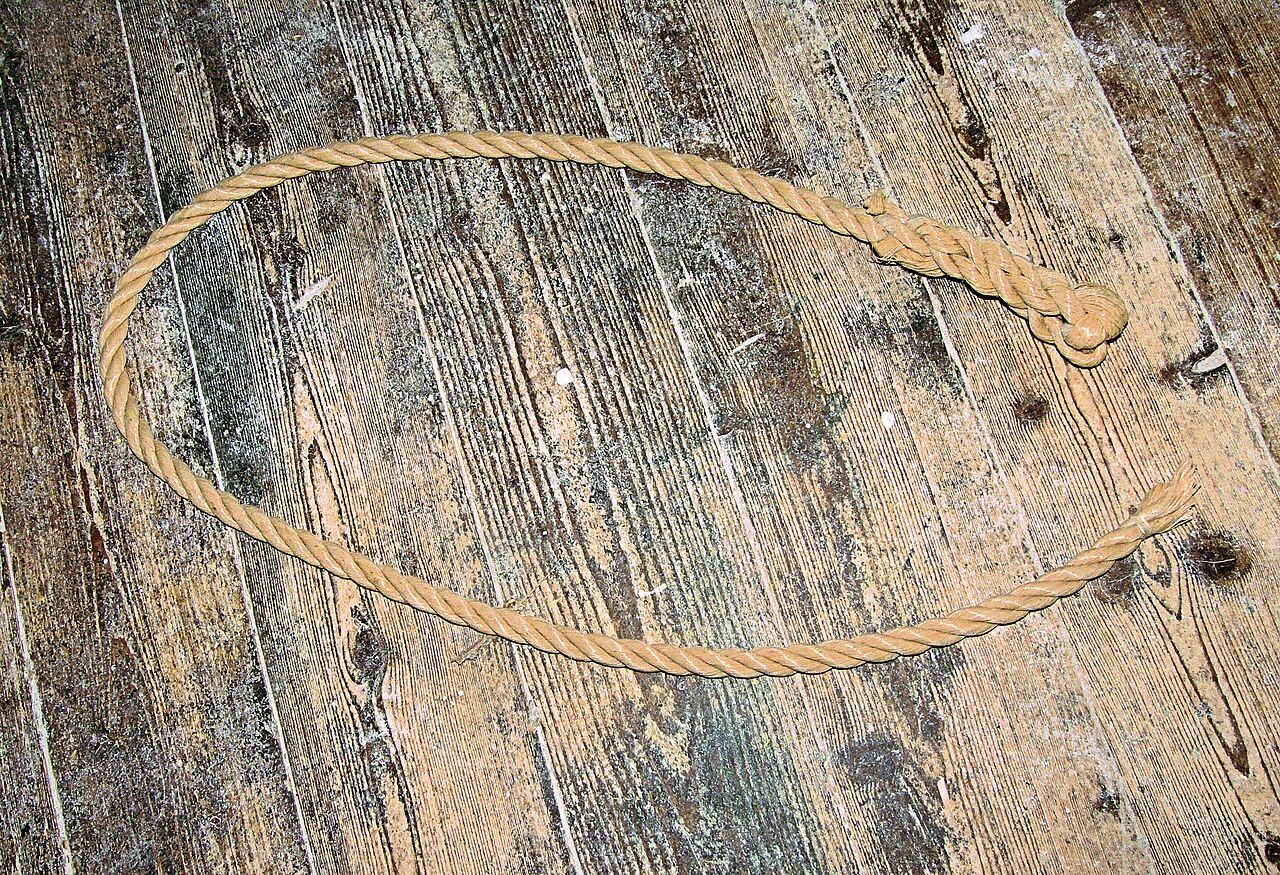
A lightweight synthetic rope often used for general utility tasks.
The thickness of a rope, usually measured across its width.
Two passes of rope around an object, giving more contact than a single turn before the knot is finished.
Tightening a dressed knot so the parts bed into place and the knot is ready to inspect and use.
The longer part of the rope that is not being actively moved while tying.
A knot tied in a rope end to make a bulky stop or help prevent the end passing through an opening.
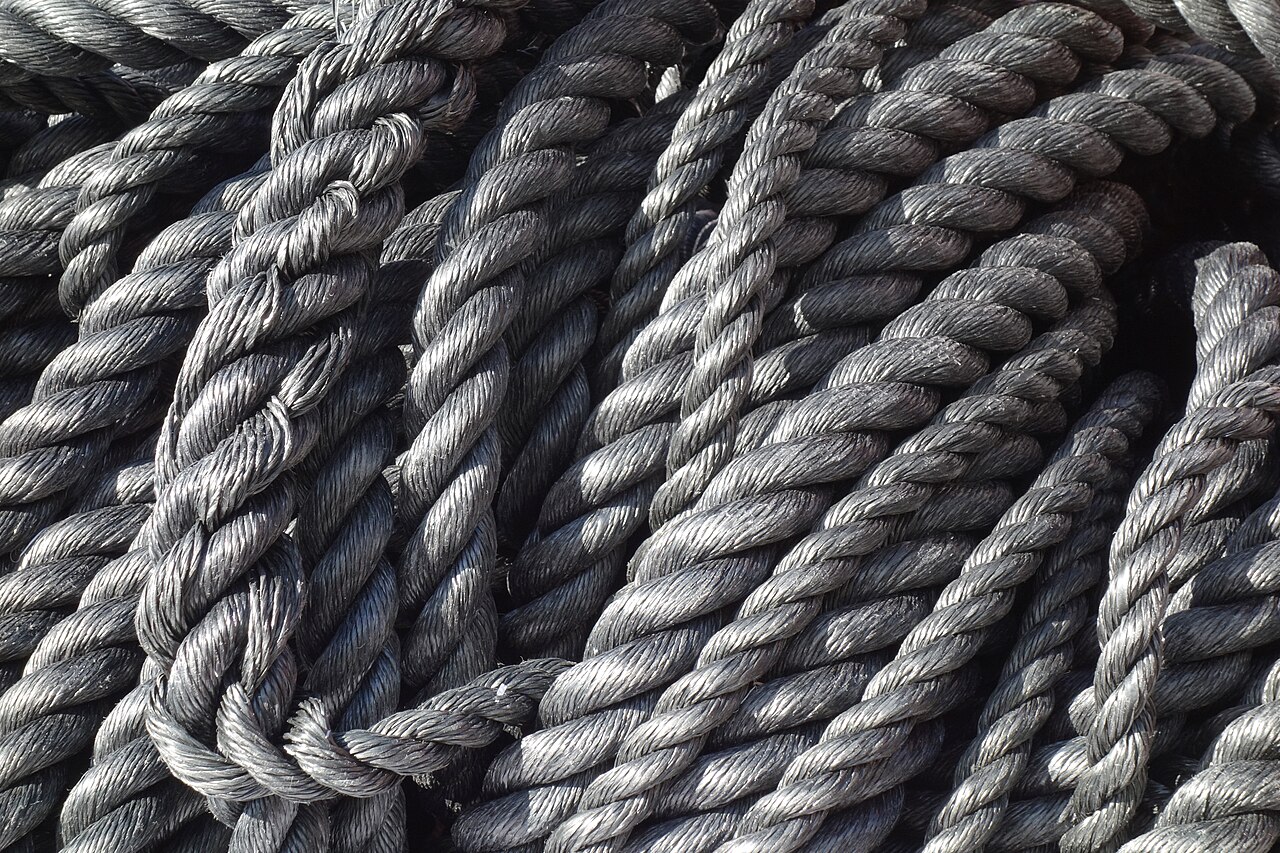
Rope made from manufactured fibres such as polypropylene, polyester or nylon.
A wrap of rope around an object, another rope part, or itself while forming a knot.
The end of the rope you actively move while tying a knot.
A rated load figure provided for a specific product and use case, not something to guess.