
Choosing timber for simple indoor projects
Basic considerations when choosing timber for light indoor DIY projects.
Materials & Know-How
Simple explanations of grain, splitting, pilot holes, sanding, finishes and common timber choices.
These pages explain choice, properties, limitations, terminology and safety checks before you use a material, fixing or method in a practical job.
Basic considerations when choosing timber for light indoor DIY projects.
How to think about grit, direction and dust control for small DIY work.
How grain direction affects cutting, sanding, splitting and screw holding.
Common reasons timber splits and practical ways to reduce the risk.
A simple comparison of common finishes for small home and workshop projects.
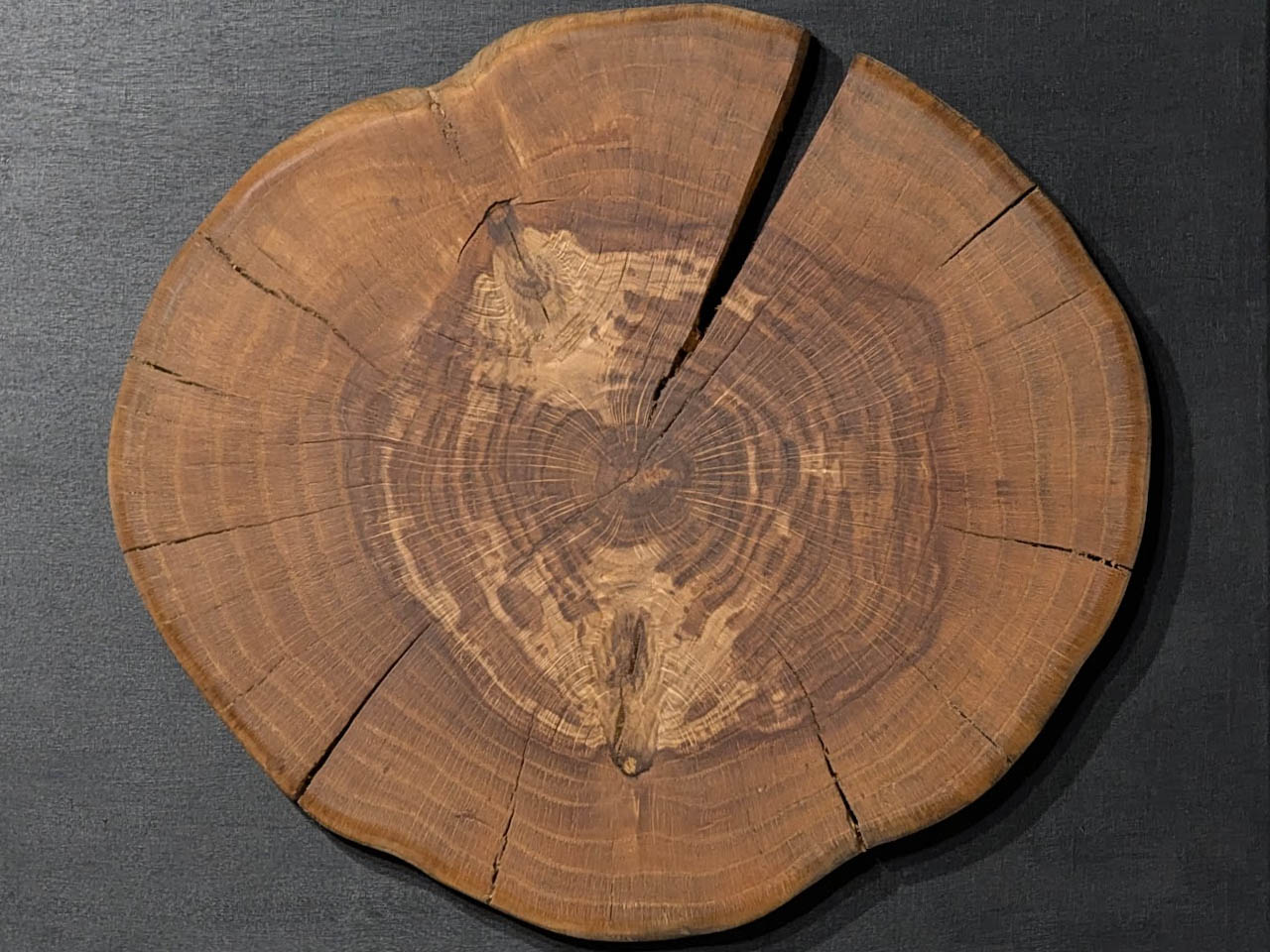
The exposed ends of wood fibres, seen at the cut end of a board.
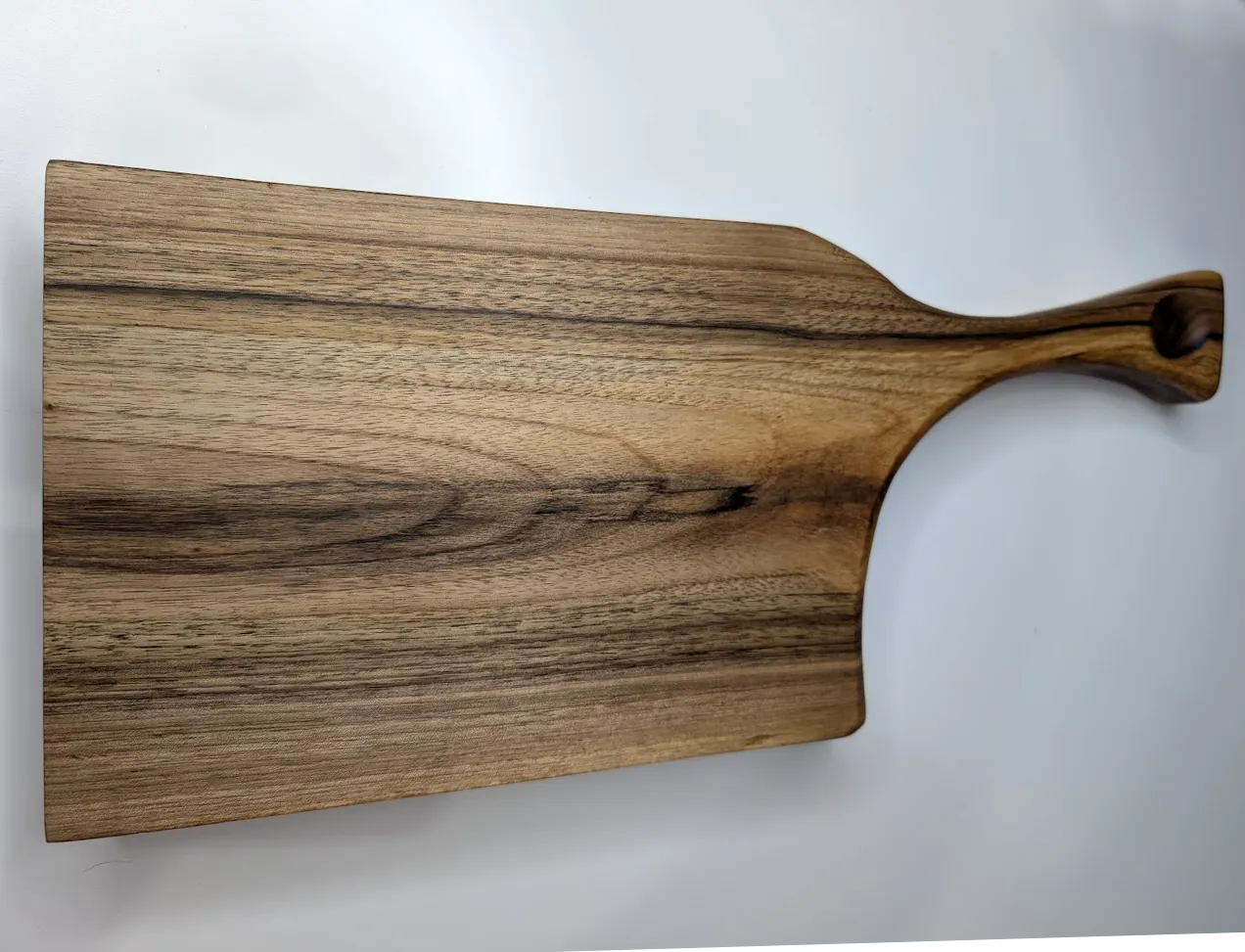
The direction and pattern of fibres in wood.
A small drilled hole that guides a screw and reduces splitting.
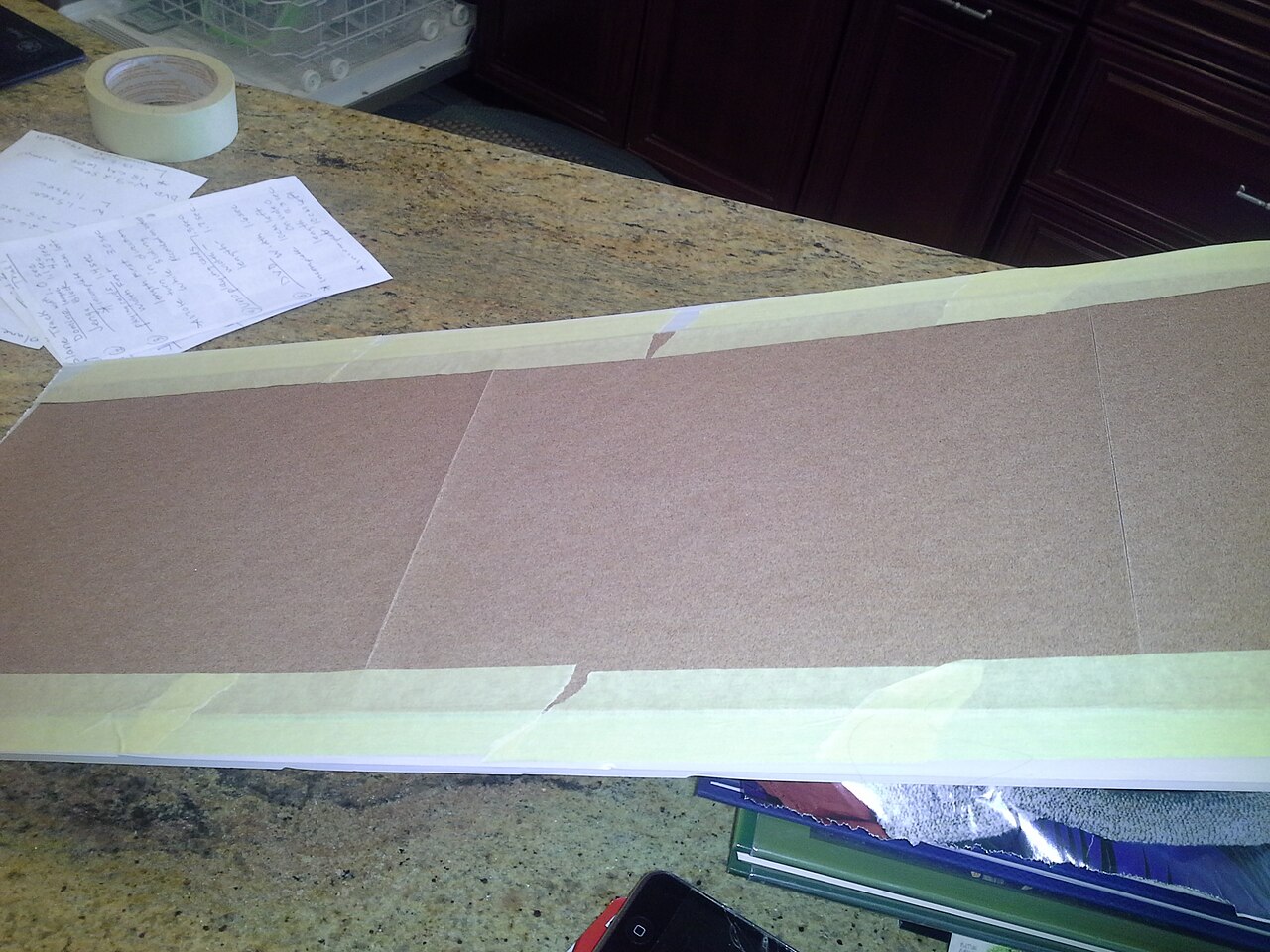
The abrasive size rating that affects how coarse or fine sandpaper is.
When wood cracks along the grain, often near edges or ends.
A protective clear or tinted finish that forms a film on wood.
The way wood expands and contracts with changes in moisture.