
Choosing screws for basic DIY jobs
How screw length, head type, thread and material affect simple DIY choices.
Materials & Know-How
Understand basic fixings, wall plugs, anchors, pilot holes and common mistakes.
These pages explain choice, properties, limitations, terminology and safety checks before you use a material, fixing or method in a practical job.
How screw length, head type, thread and material affect simple DIY choices.
A cautious overview of matching light-duty fixings to different wall types.
Why pilot holes and countersinks make many screw jobs cleaner and safer.
How wall plugs help screws grip and why wall type matters.
Common reasons screw fixings fail or become untidy.
A fixing used to create a hold in a wall, ceiling or hollow surface.
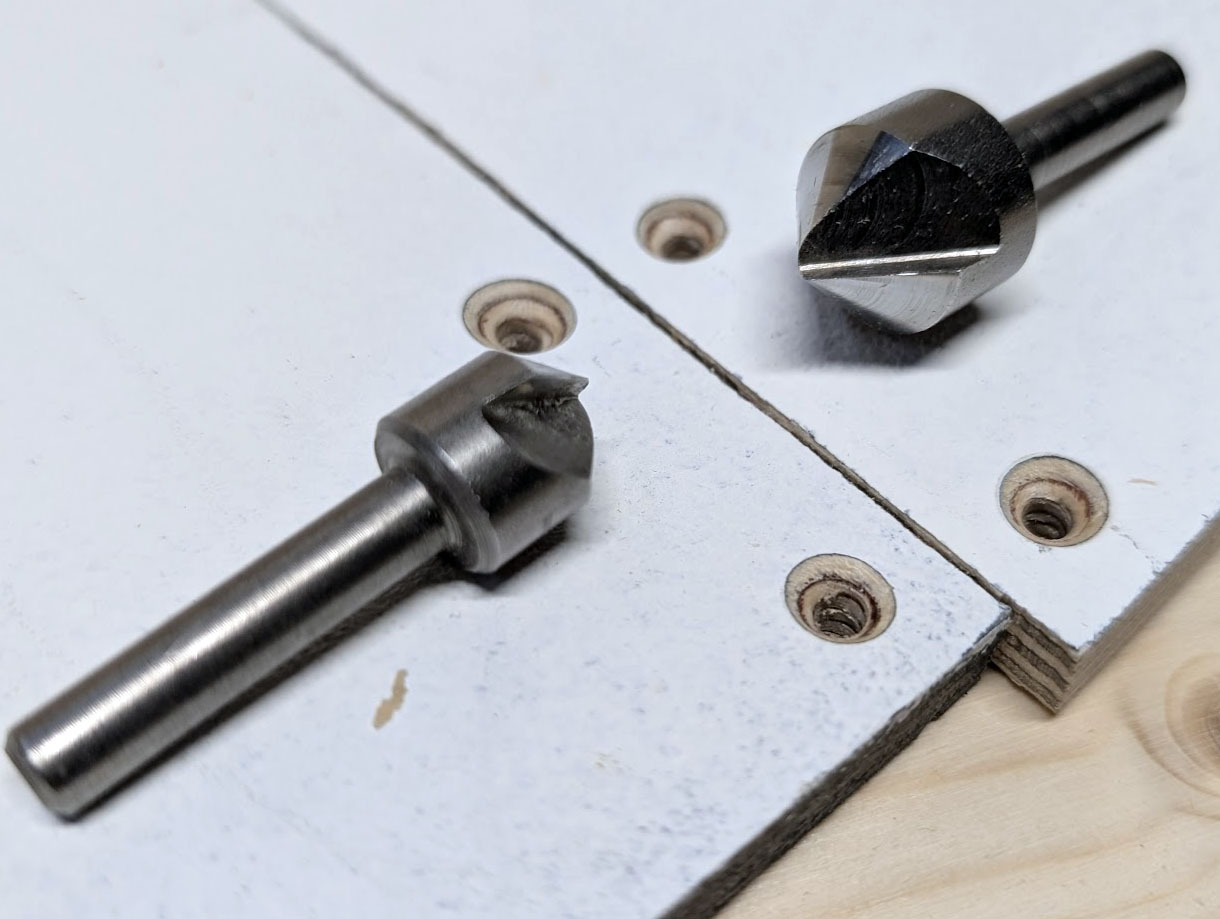
A shaped recess that lets a screw head sit flush or below the surface.
A small drilled hole that guides a screw and reduces splitting.
A size number that describes screw thickness in some screw systems.
The base material you are fixing into, such as timber, plasterboard, brick or concrete.
The spiral ridge on a screw that bites into material or a matching insert.
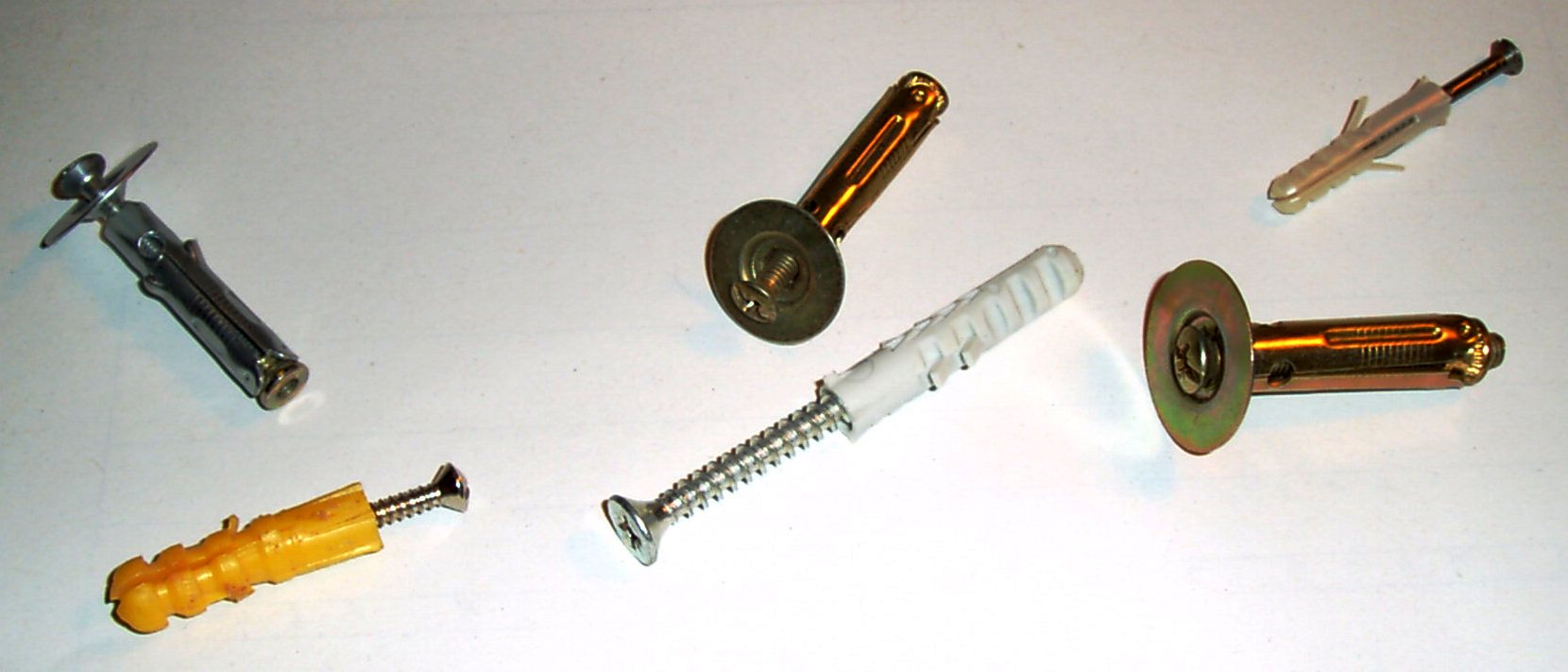
An insert that helps a screw grip in a drilled wall hole.