
Basic DIY safety checklist before starting
A calm checklist for tools, materials, surroundings and limits before a job begins.
Materials & Know-How
General DIY safety principles for tools, materials, dust, sharp edges, heat, electricity and working conditions.
These pages explain choice, properties, limitations, terminology and safety checks before you use a material, fixing or method in a practical job.
A calm checklist for tools, materials, surroundings and limits before a job begins.
Beginner guidance on common protective equipment and when to use it.
Why drilling needs caution and what to check before making holes.
How to tell a short-term hold from a repair that must be done properly.
Red flags that mean a job is beyond general DIY advice.
Basic precautions for heat, cutting tools, burrs and sharp waste.
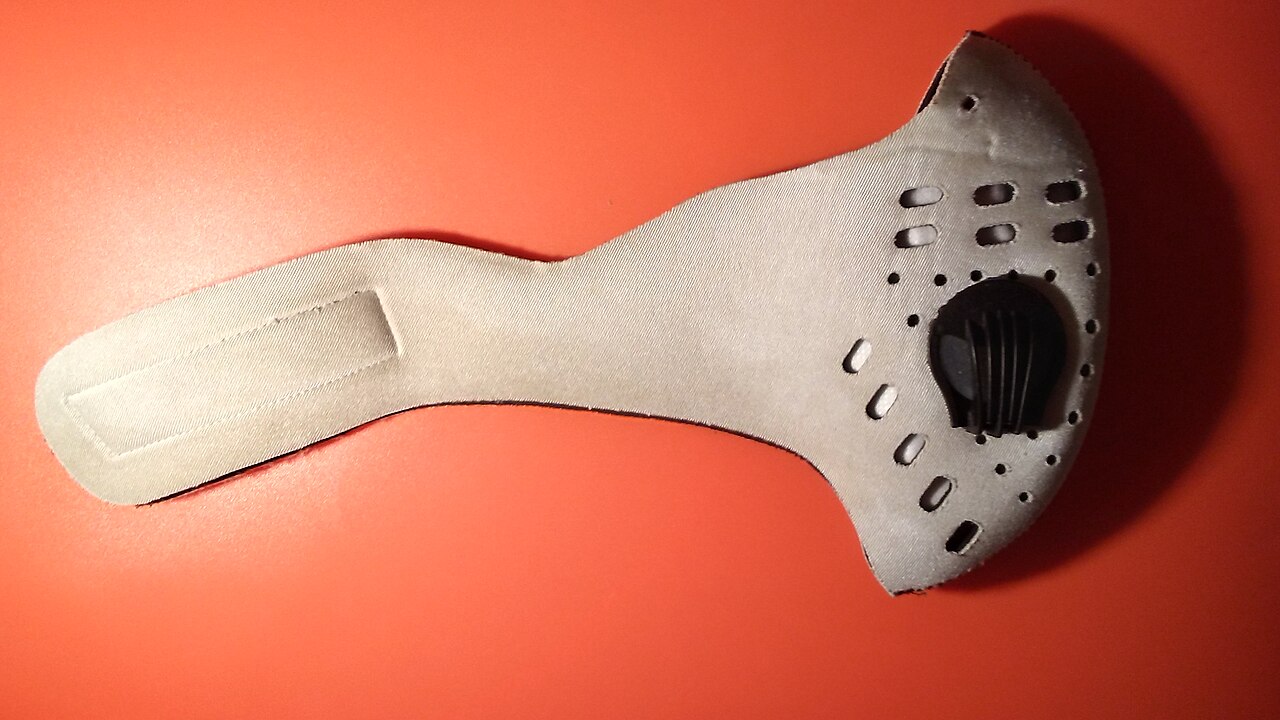
A mask intended to reduce breathing in certain dusts, depending on its rating and fit.
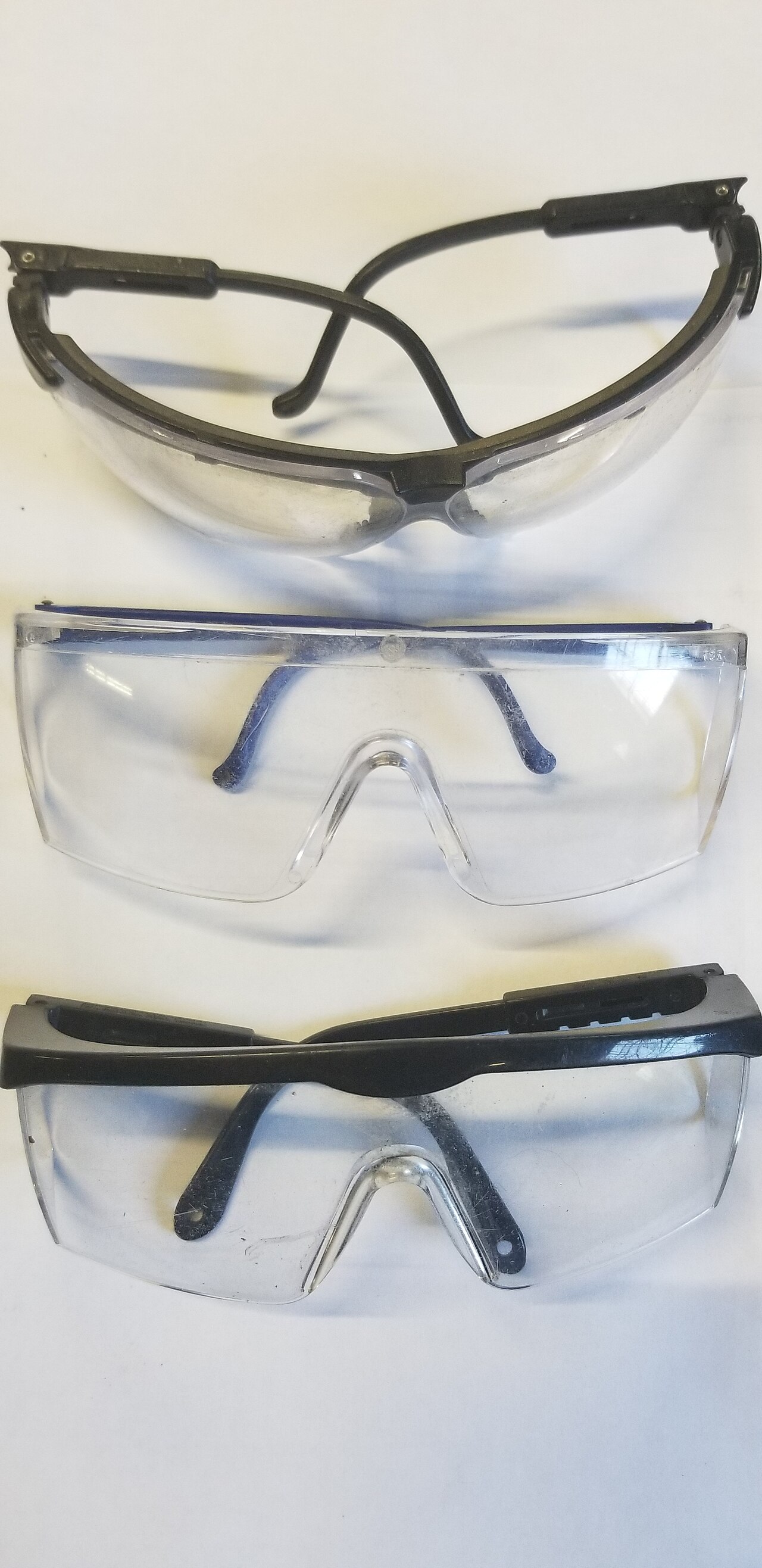
Safety glasses, goggles or face protection used to reduce eye injury risk.
Making a system safe by disconnecting or shutting it off before work.
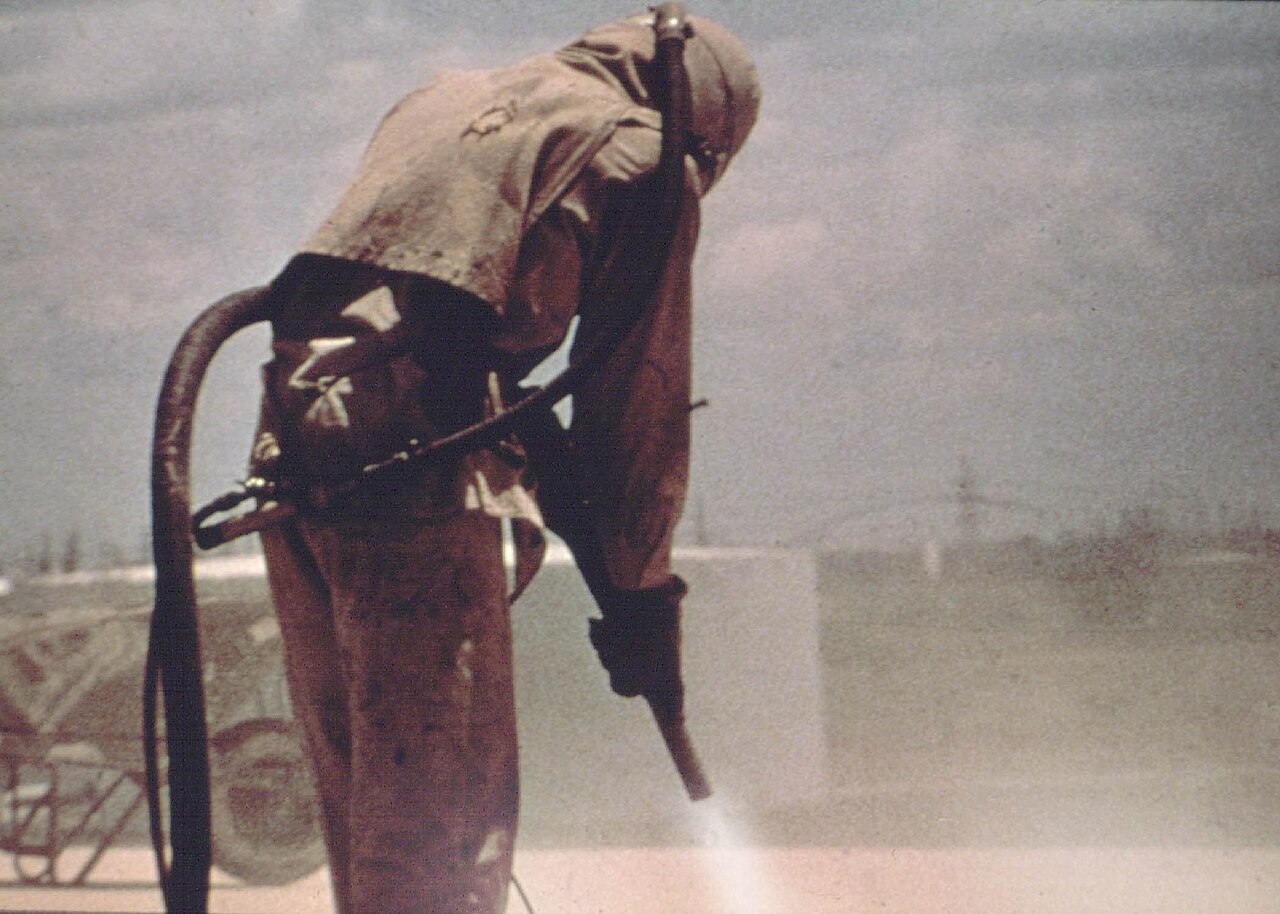
Personal protective equipment such as eye protection, gloves or dust masks.
Thinking through what could go wrong before starting a job.
A task where failure could injure someone or cause serious damage.
Anything on the floor or route that could cause someone to trip.
Fresh-air movement that helps reduce fumes, vapour or dust build-up.