
Choosing glue for wood, plastic, metal and fabric
A practical overview of matching common adhesives to common DIY materials.
Materials & Know-How
Choose adhesives more confidently by understanding cure time, surface preparation and material compatibility.
These pages explain choice, properties, limitations, terminology and safety checks before you use a material, fixing or method in a practical job.
A practical overview of matching common adhesives to common DIY materials.
How pressure affects contact, squeeze-out and the quality of a small glue repair.
Why an adhesive can feel dry before it is ready for stress or full use.
Basic cleaning, fitting and preparation before applying adhesive.
Why certain plastics resist adhesive bonding and what to check before trying.
The time an adhesive needs to reach its intended working strength.
A moisture-curing adhesive that sets in seconds on close-fitting, non-porous joints—ideal for small, rigid repairs, not gaps, flex, or load-bearing work.
The time before an adhesive or finish feels dry to the touch.
A two-part adhesive that cures through a chemical reaction.
Extra glue pushed out of a joint when the parts are pressed together.
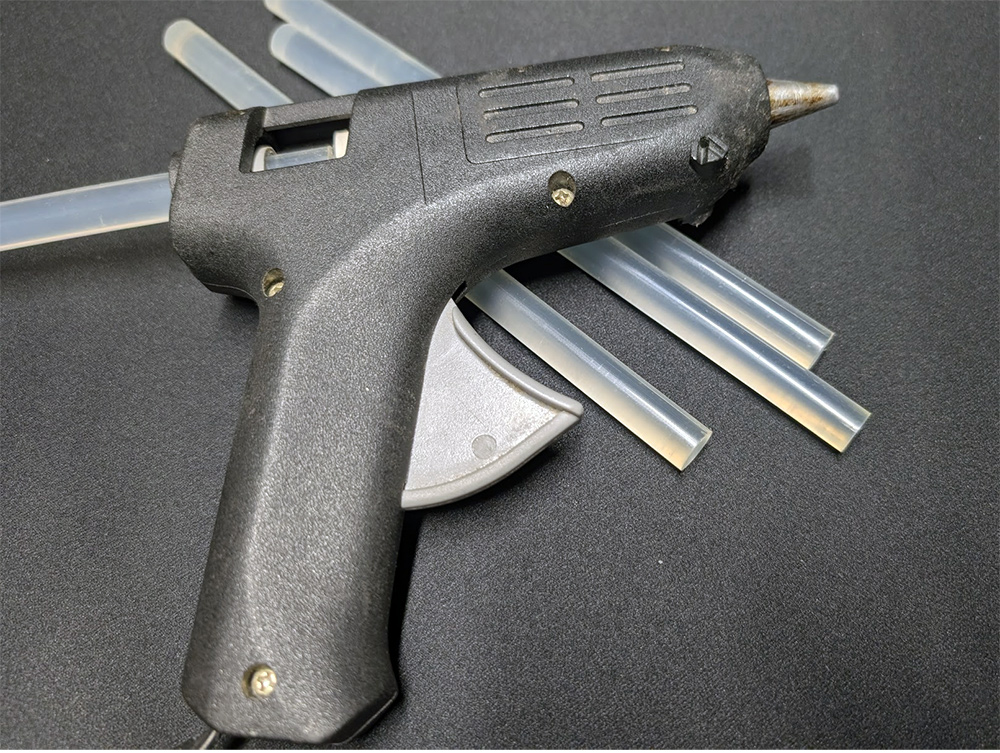
Thermoplastic adhesive melted in a glue gun, applied hot, and set as it cools—fast to use, but stick type, diameter, and temperature must match the job.
The usable time after applying glue before it starts to set too much.