
Choosing the right tape for a DIY job
How to match common tapes to marking, masking, temporary holding and light repair tasks.
Materials & Know-How
Know the difference between masking tape, painter’s tape, duct tape, double-sided tape and specialist tapes.
These pages explain choice, properties, limitations, terminology and safety checks before you use a material, fixing or method in a practical job.
How to match common tapes to marking, masking, temporary holding and light repair tasks.
How double-sided tape can help with templates, trim and light positioning.
The practical difference between general masking tape and lower-tack painter’s tape.
Where duct tape helps as a temporary patch and where it should not be trusted.
Common reasons tape lifts, slides, leaves residue or fails unexpectedly.
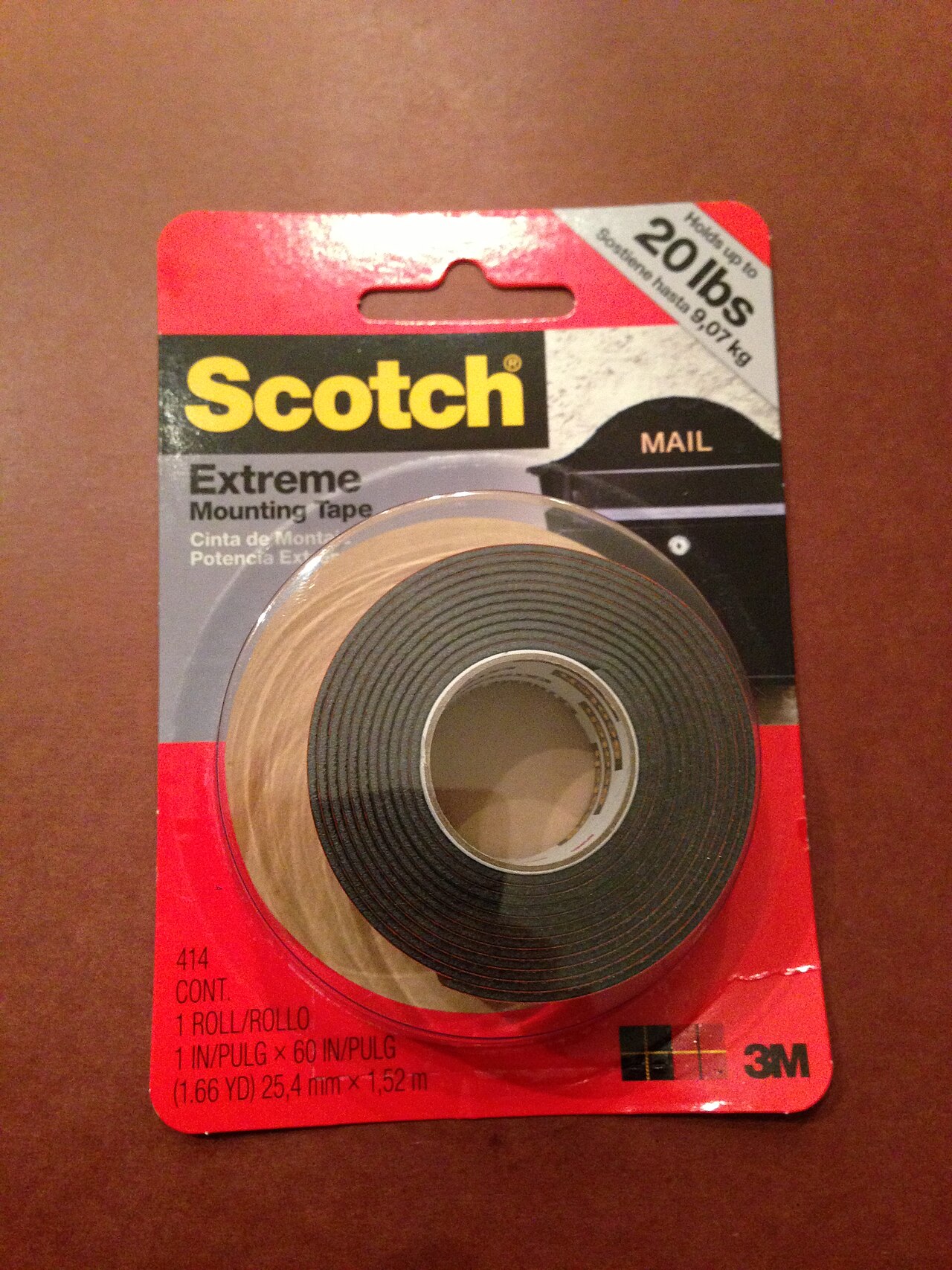
Tape with adhesive on both sides for light positioning or bonding.
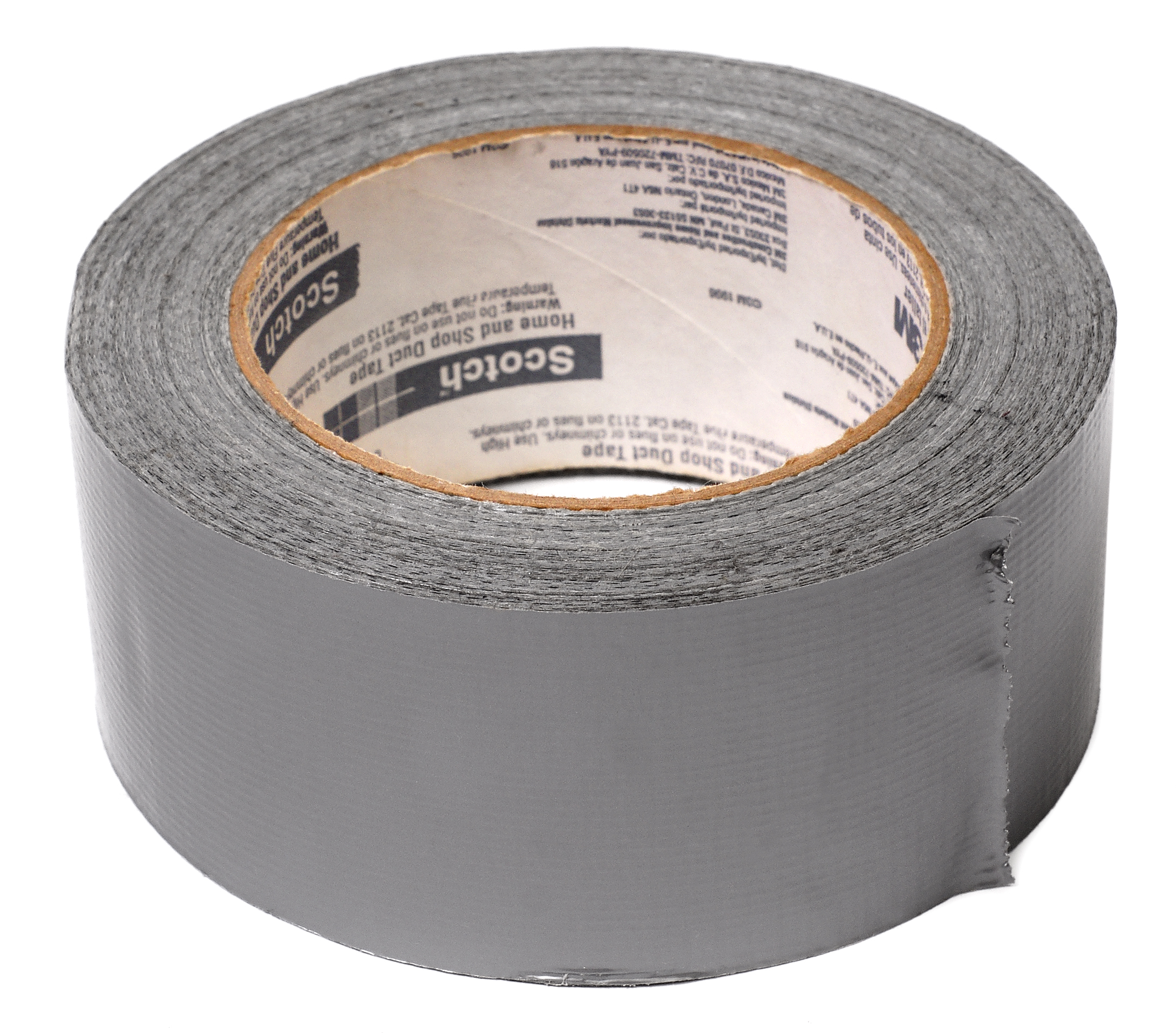
A strong cloth-backed tape used for temporary holding and patching.
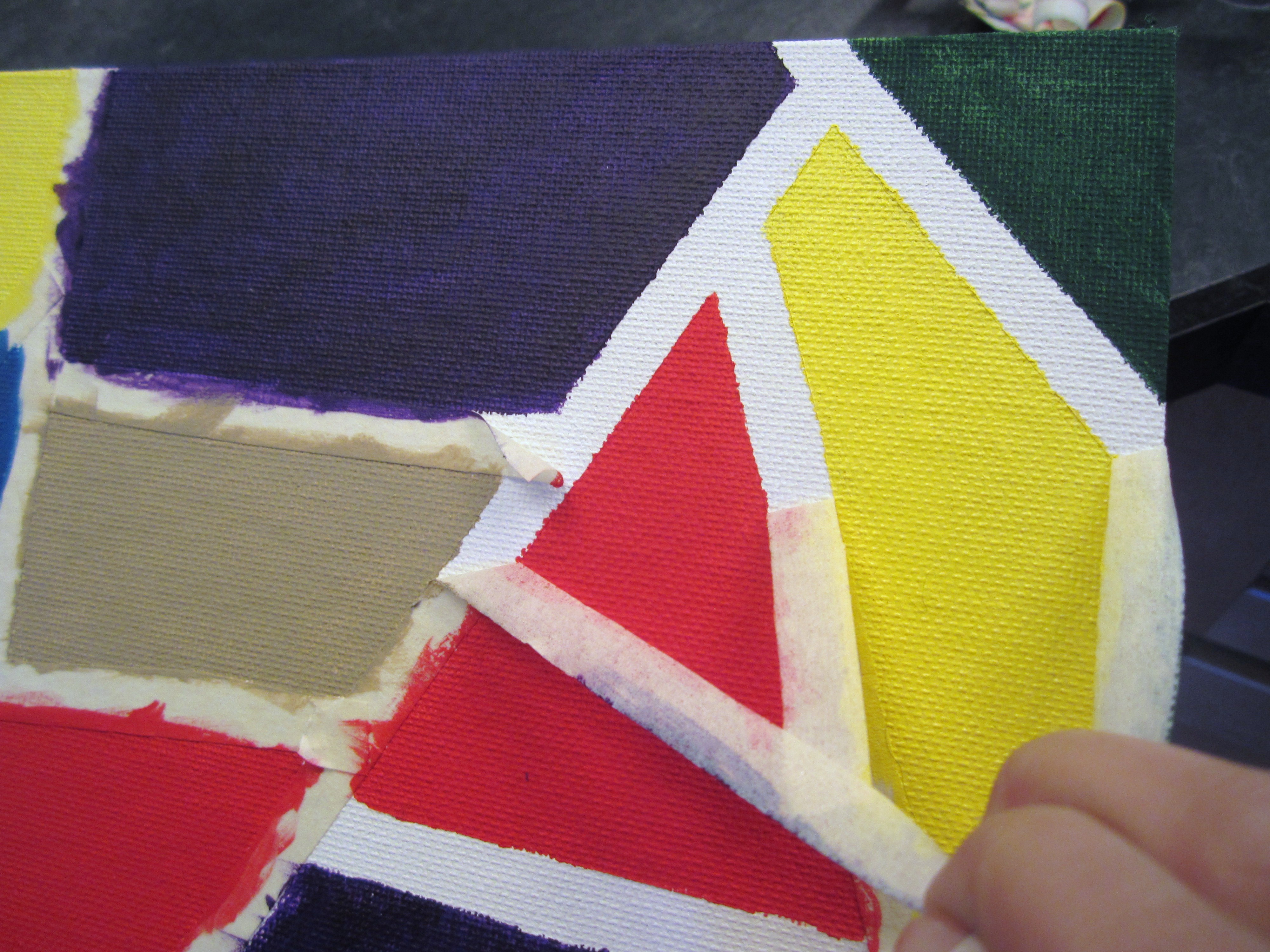
Paper-backed tape used for masking, marking and light temporary holds.
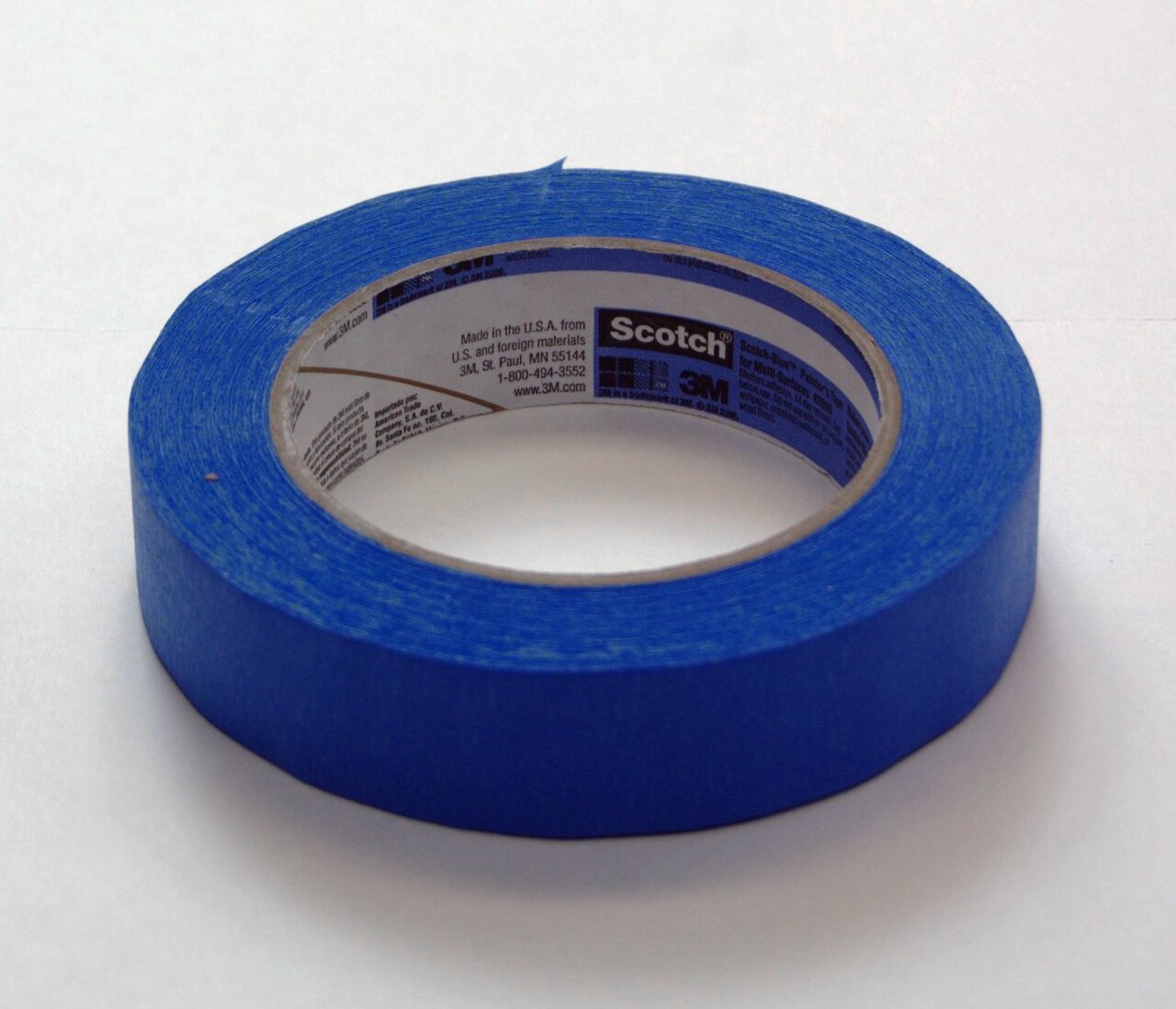
Lower-tack masking tape intended to reduce paint bleed and surface damage.
Cleaning or preparing a surface before applying tape, glue, paint or a fixing.
The initial stickiness of an adhesive surface.